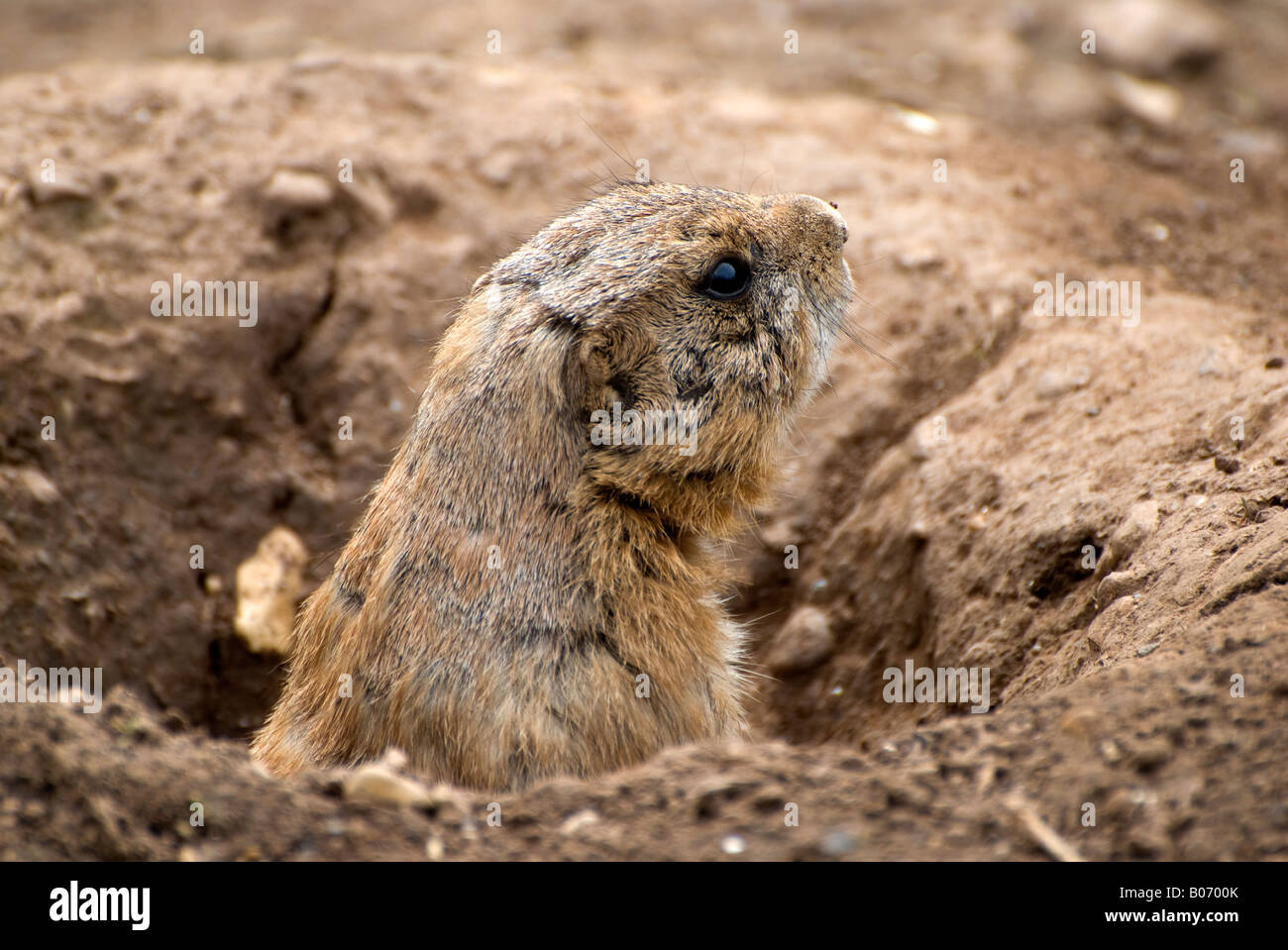
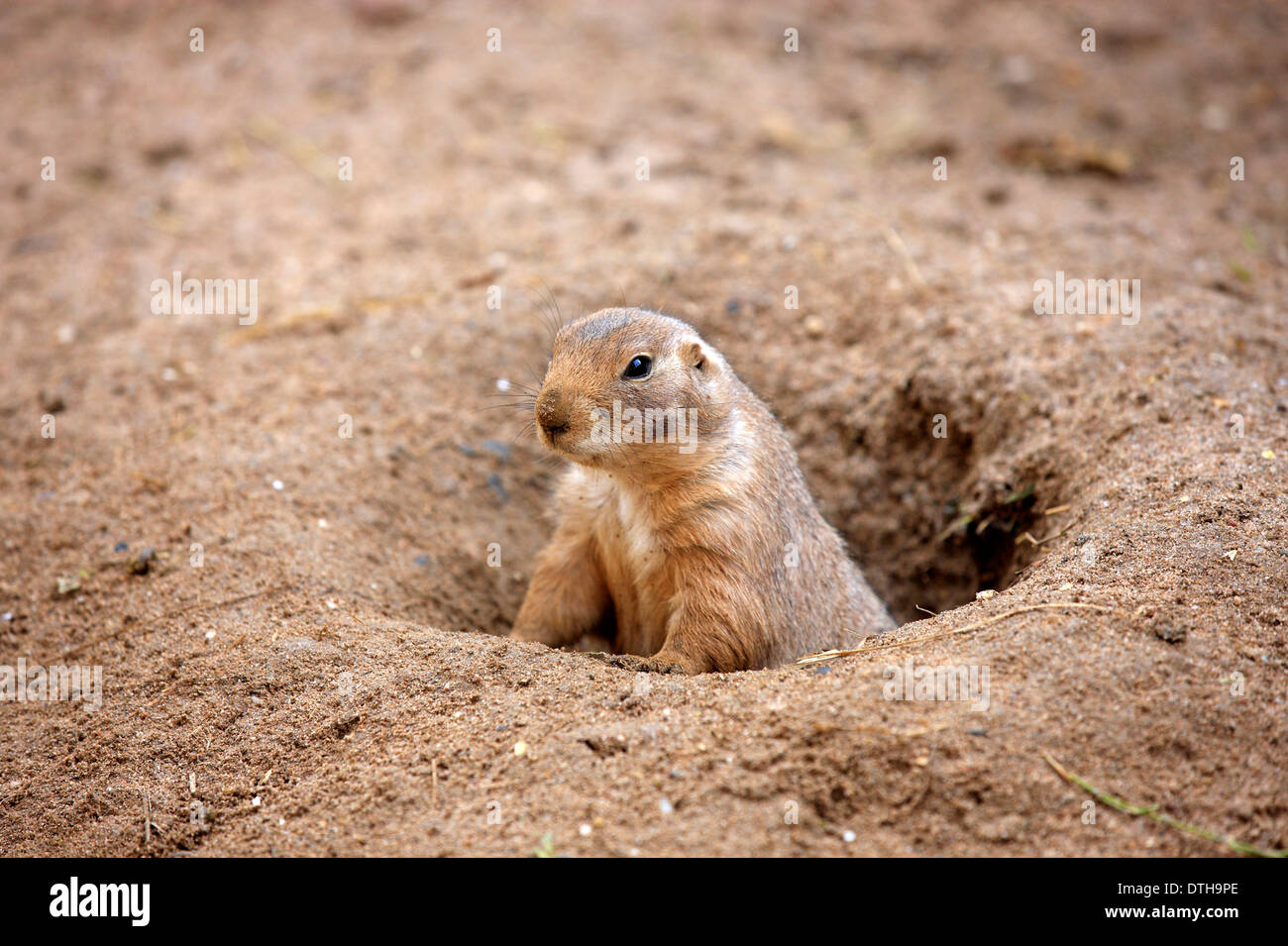
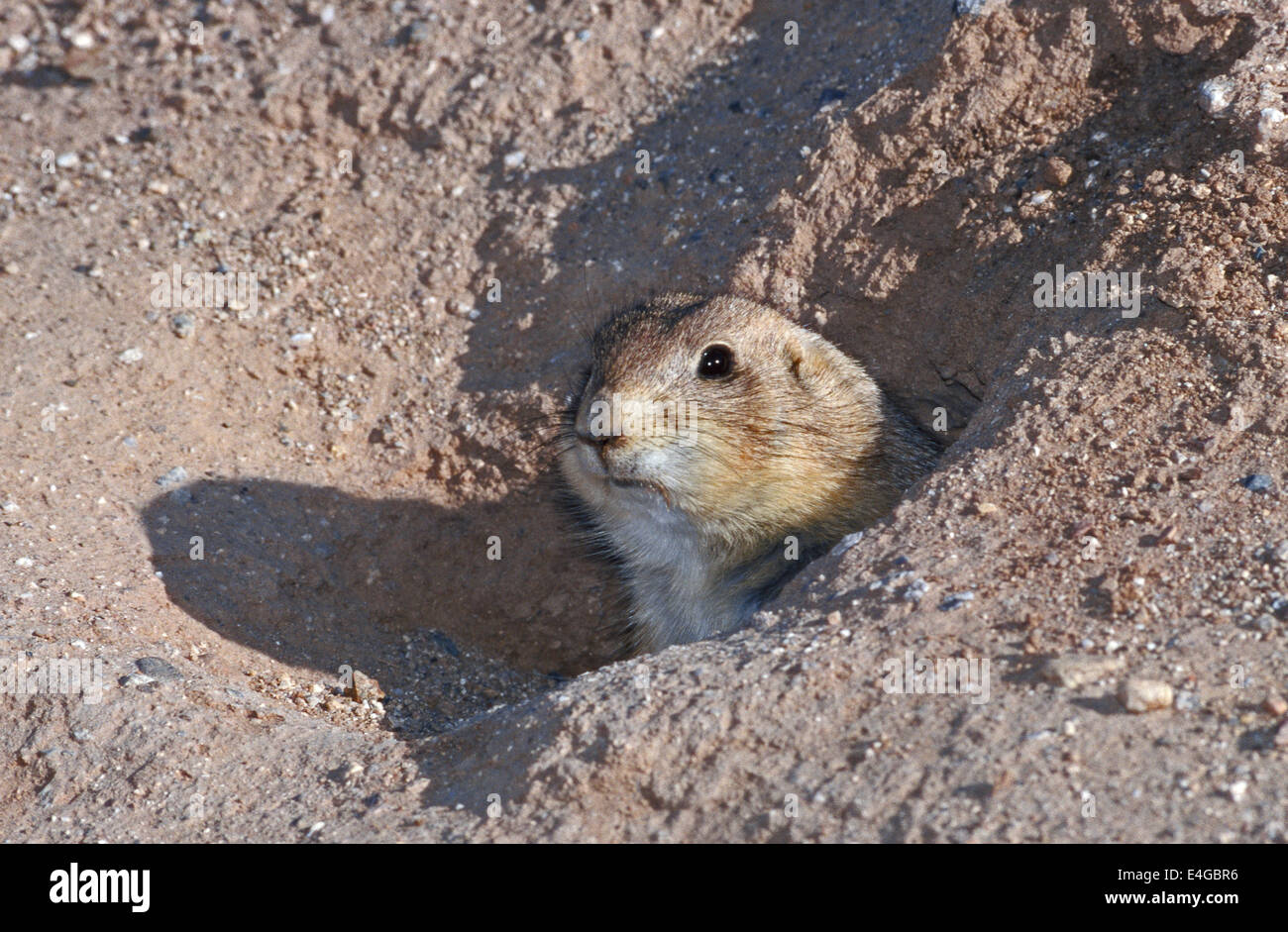
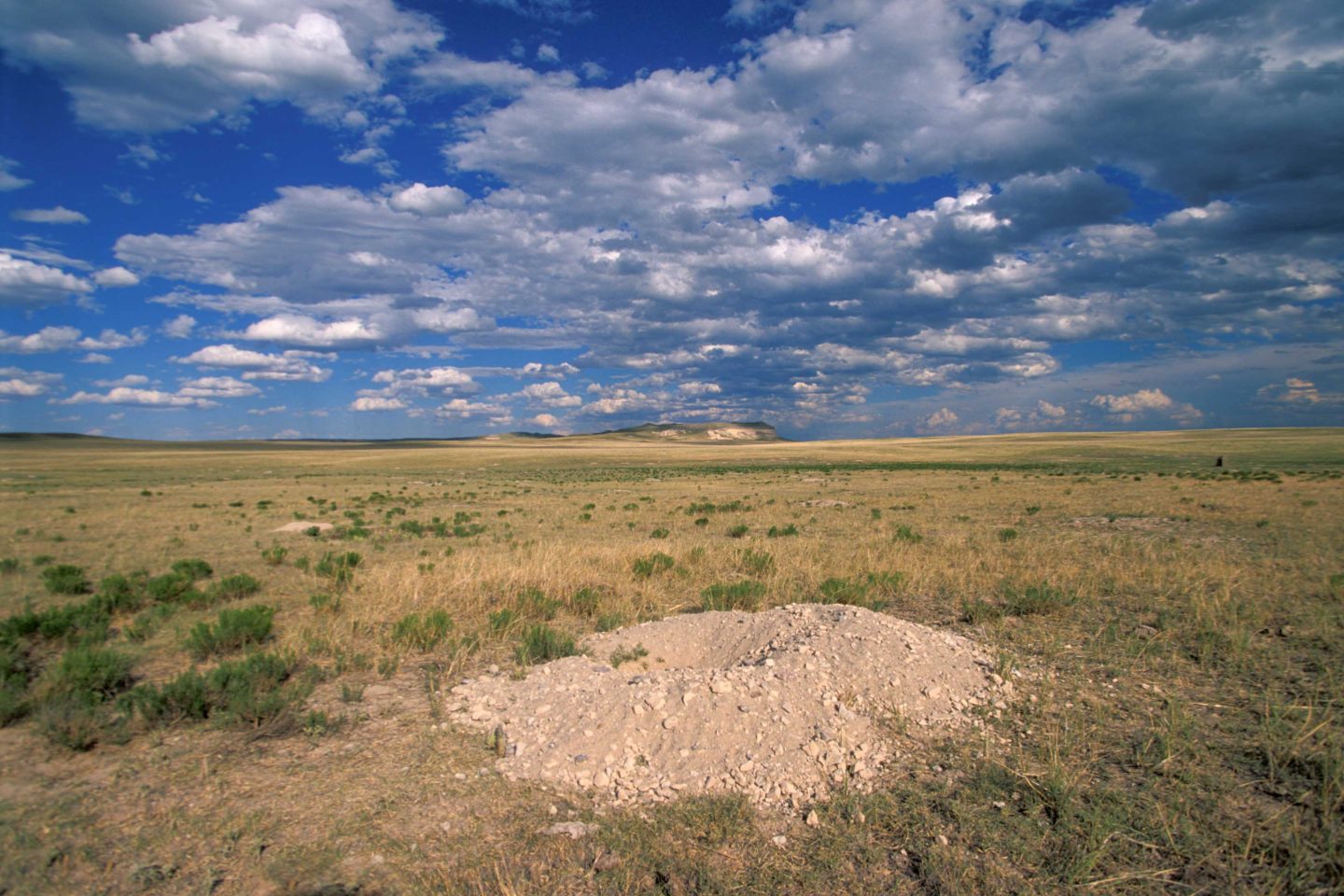
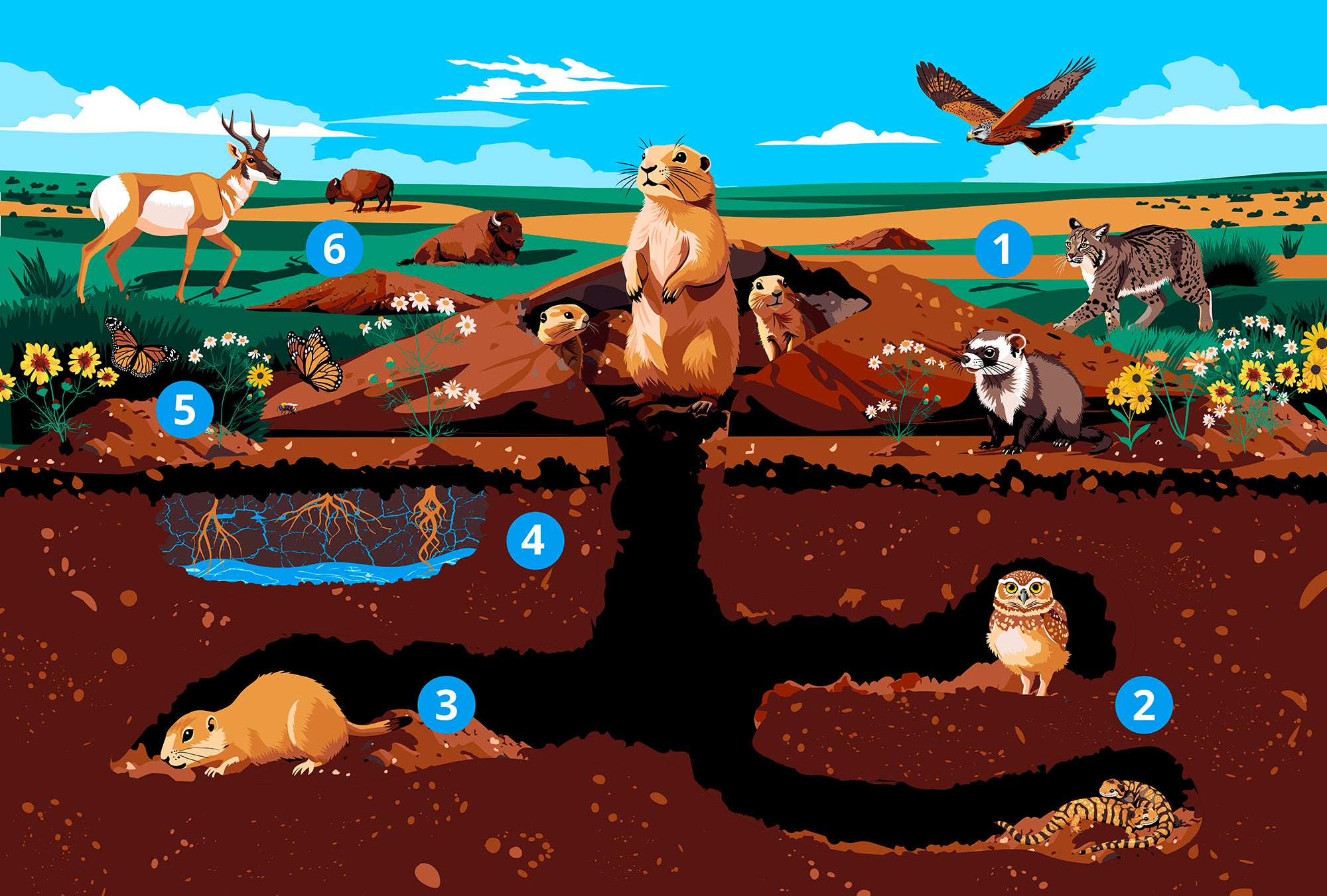
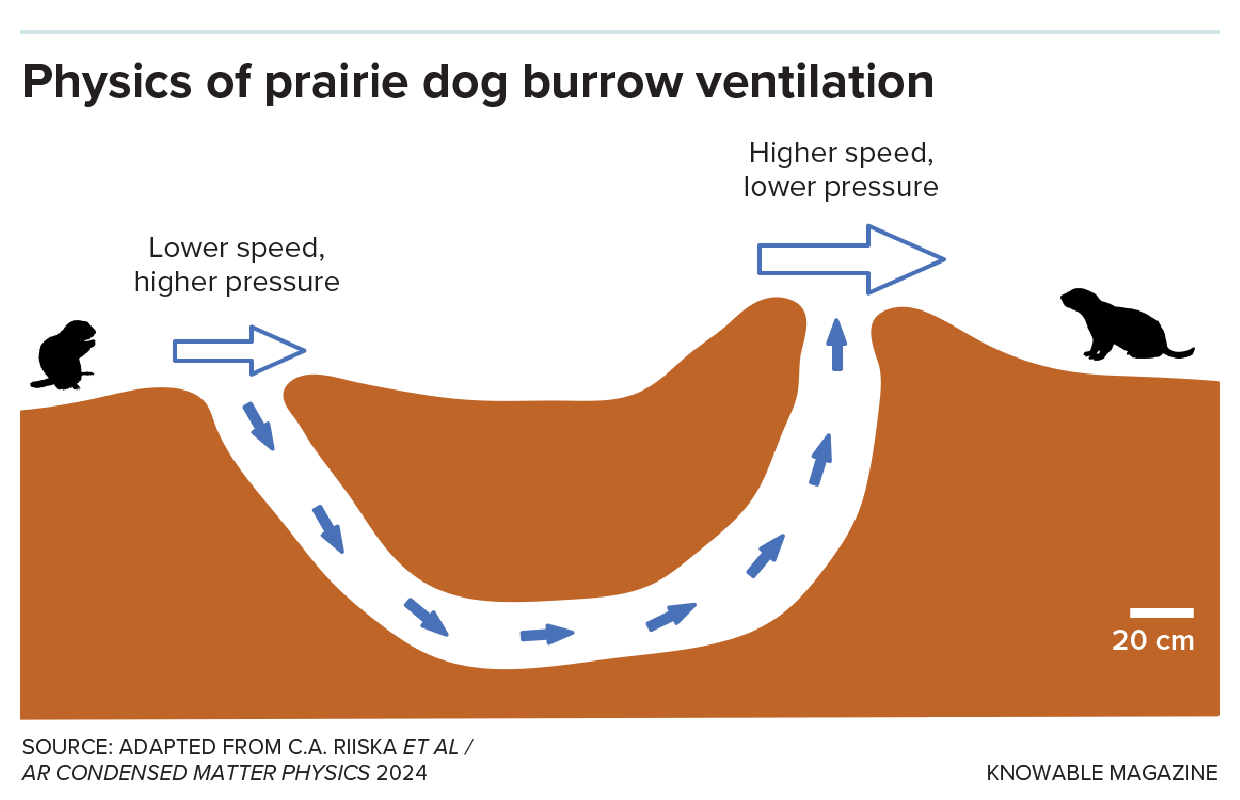
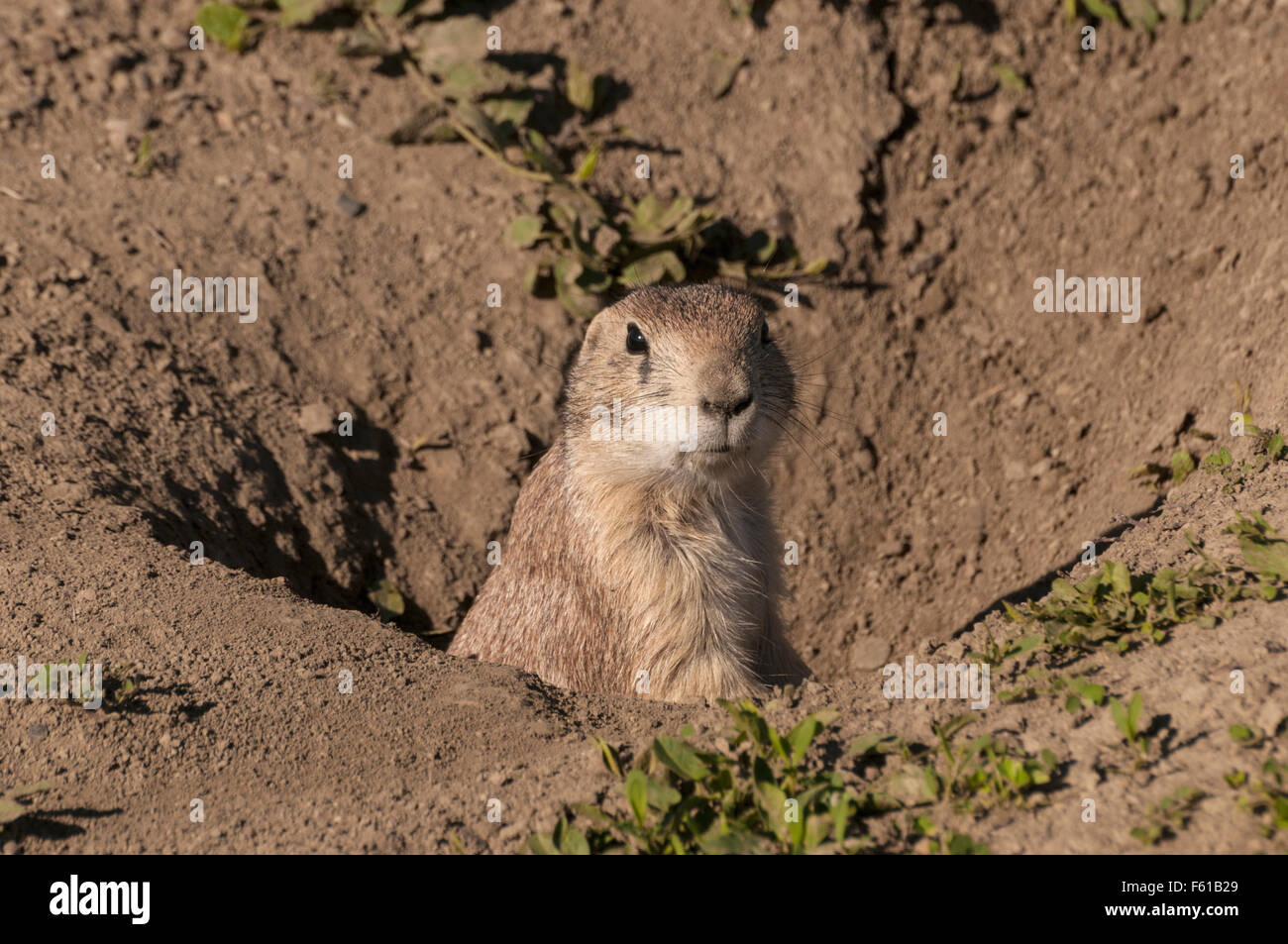
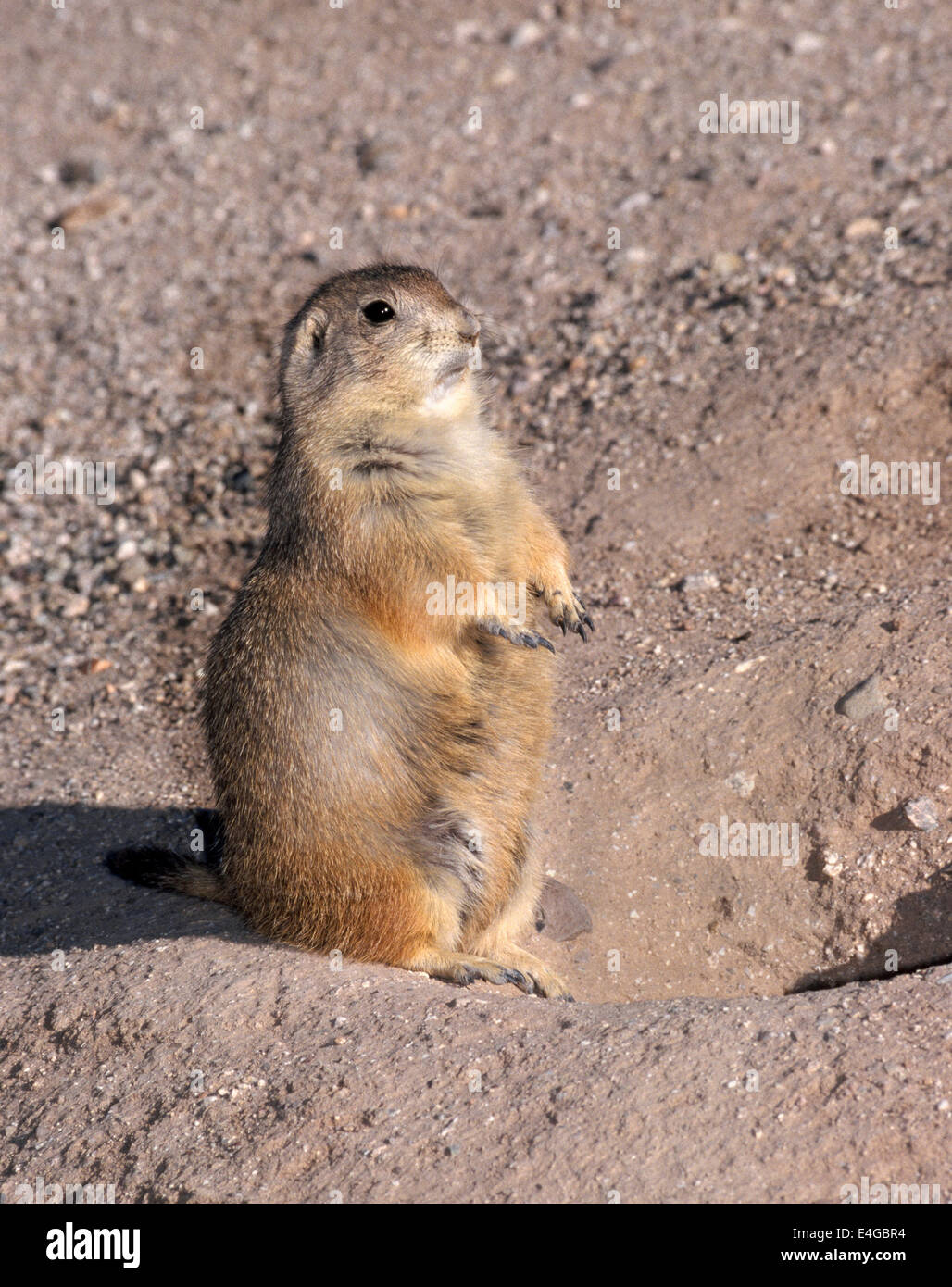
Prairie dogs within a coterie defend their territory within the larger town. They live in burrows about 10 yards apart, 3 to 14 feet deep, and 10 to more than 100 feet long. A mound 3 to 10 feet across and 6 to 12 inches high at the entrance of the burrow prevents water from rushing in and serves as a lookout station.. Find and save ideas about prairie dog burrow diagram on Pinterest.
Schematic of the regions of a prairie dog burrowPrairie Dog BurrowThe principle of air circulation within a prairie dog burrowBlack Tailed Prairie Dog Burrowsprairie dog, burrow, cynomys ludovicianus, prairie dogs, burrows StockPrairie Dog Emerging from Burrow in Nature · Free Stock25. Schematic picture of a prairiedog burrow, with wind profileA prairie dog burrow cast within the diamict at WinterPrairie Dog Burrow Photos and Premium High Res Pictures GettyBlack Tailed Prairie Dog BurrowBlack Tailed Prairie Dog BurrowsMeet the Prairie Dog Nebraskaland MagazinePrairie Dog BurrowThe Surprising Role Prairie Dogs Play in Saving EcosystemsPrairie Dog BurrowBlack Tailed Prairie Dog BurrowPrairie Dog BurrowPrairie Dog at a Burrow Entrance Stock Image Image ofPrairie Dog BurrowCross section of a prairie dog burrow click thru &Prairie Dog BurrowBlack Tailed Prairie Dog BurrowsThe hidden physics of animals’ actions Knowable Magazine25. Schematic picture of a prairiedog burrow, with wind profileCross Section Illustration Of Prairie Dog Burrow With Tunnels AndPrairie dog in burrow hires stock photography and images AlamyTIL Prairie dogs build their burrows with a flat orificePrairie Dog BurrowBlack Tailed Prairie Dog BurrowsBlack Tailed Prairie Dog Burrow
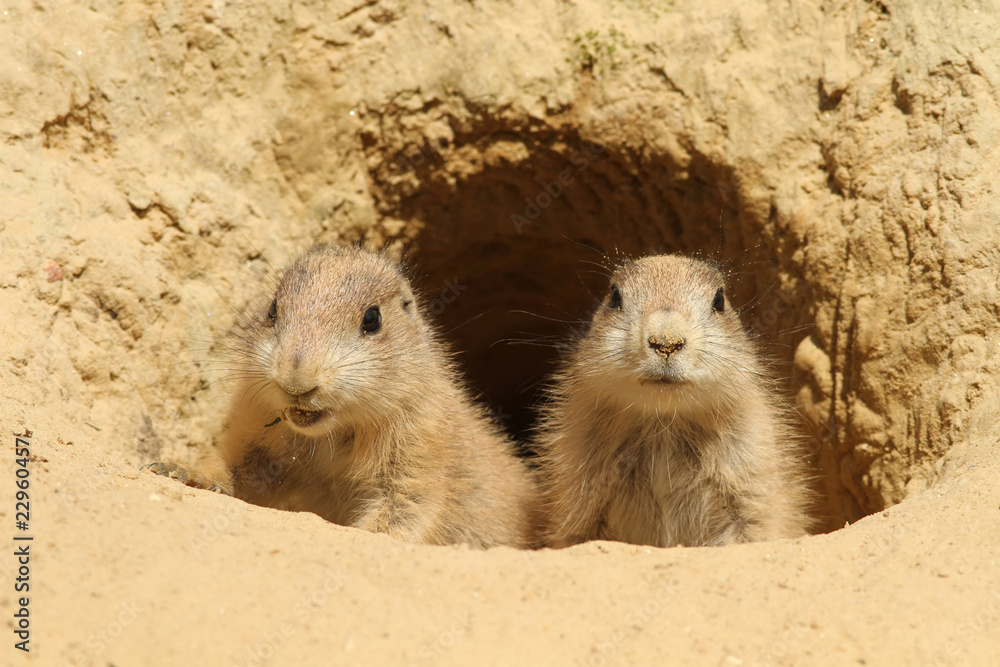
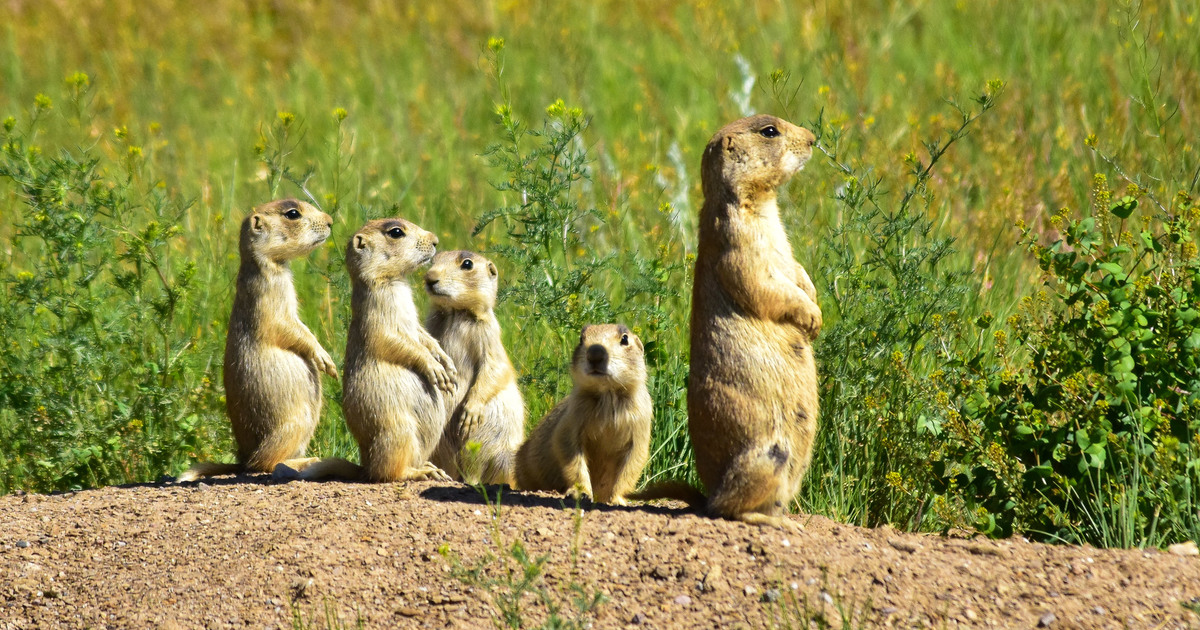
Prairie dogs raise their heads from their burrows in response to disturbances. Prairie dogs are named for their habitat and warning call, which sounds similar to a dog's bark. The name was in use at least as early as 1774. [5] The 1804 journals of the Lewis and Clark Expedition note that in September 1804, they "discovered a Village of an animal the French Call the Prairie Dog". [6] Its genus.. The black-tailed prairie dog is gregarious and lives in colonies usually referred to as "towns". Prairie dog towns are found scattered in the short grass prairie regions of central and eastern Montana (Fig. 2). Prairie dog towns contain an abundance of burrows which appear as cone-shaped mounds of packed soil up to 2 feet high.