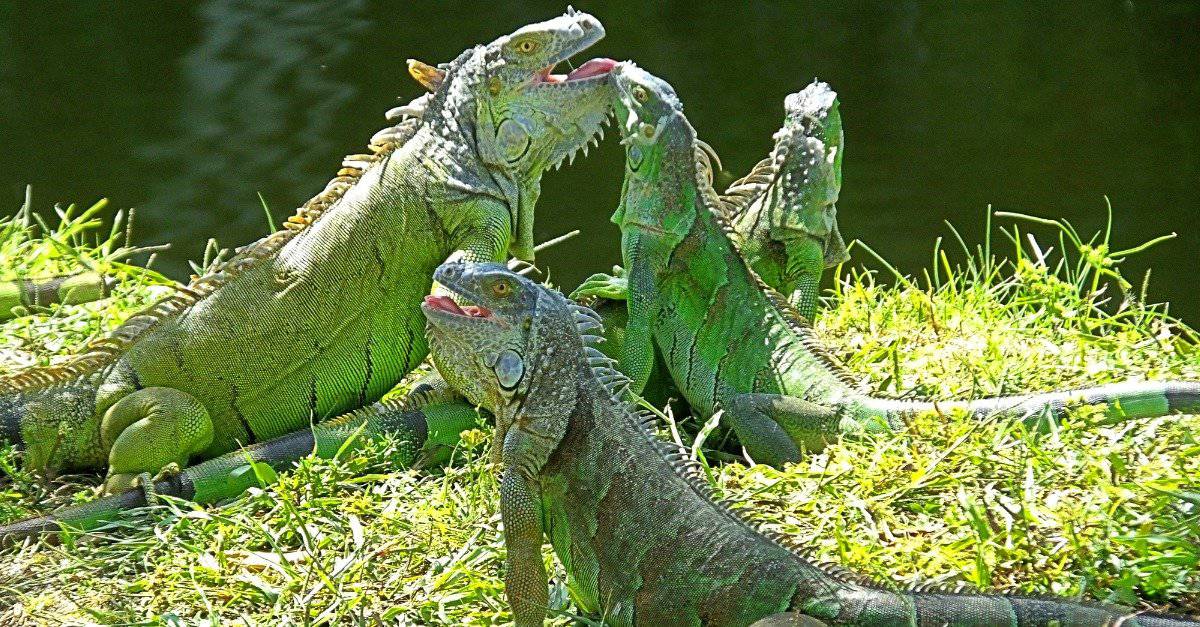
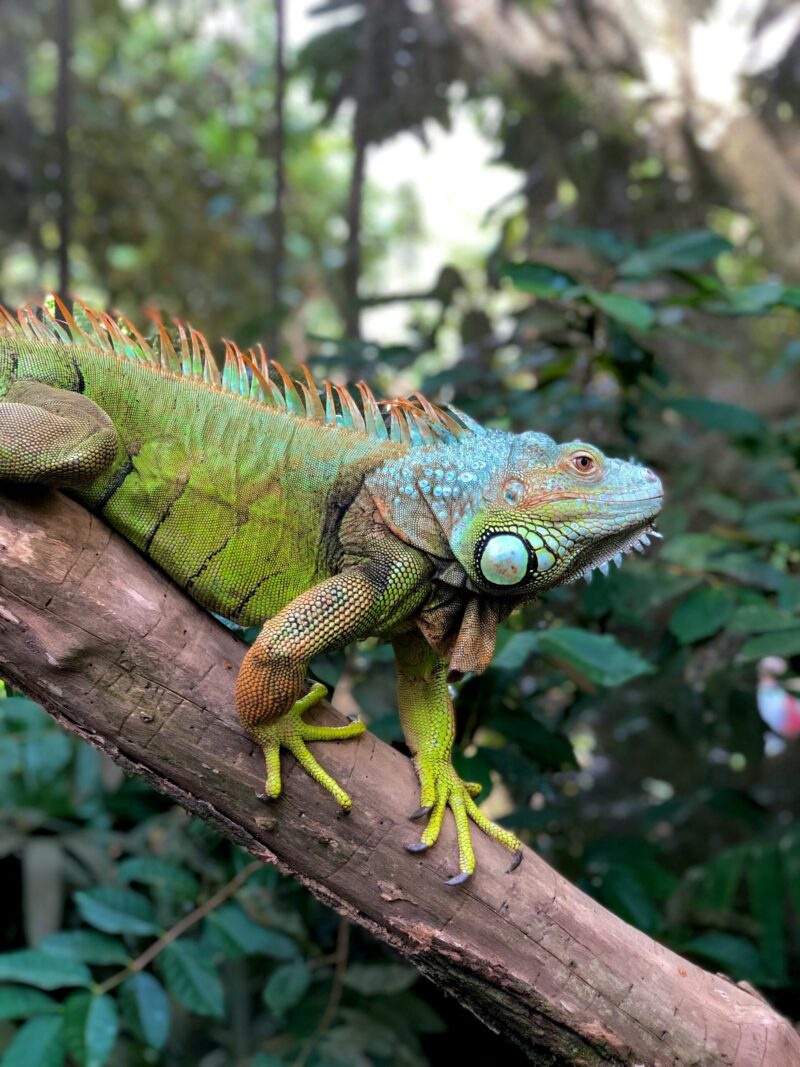
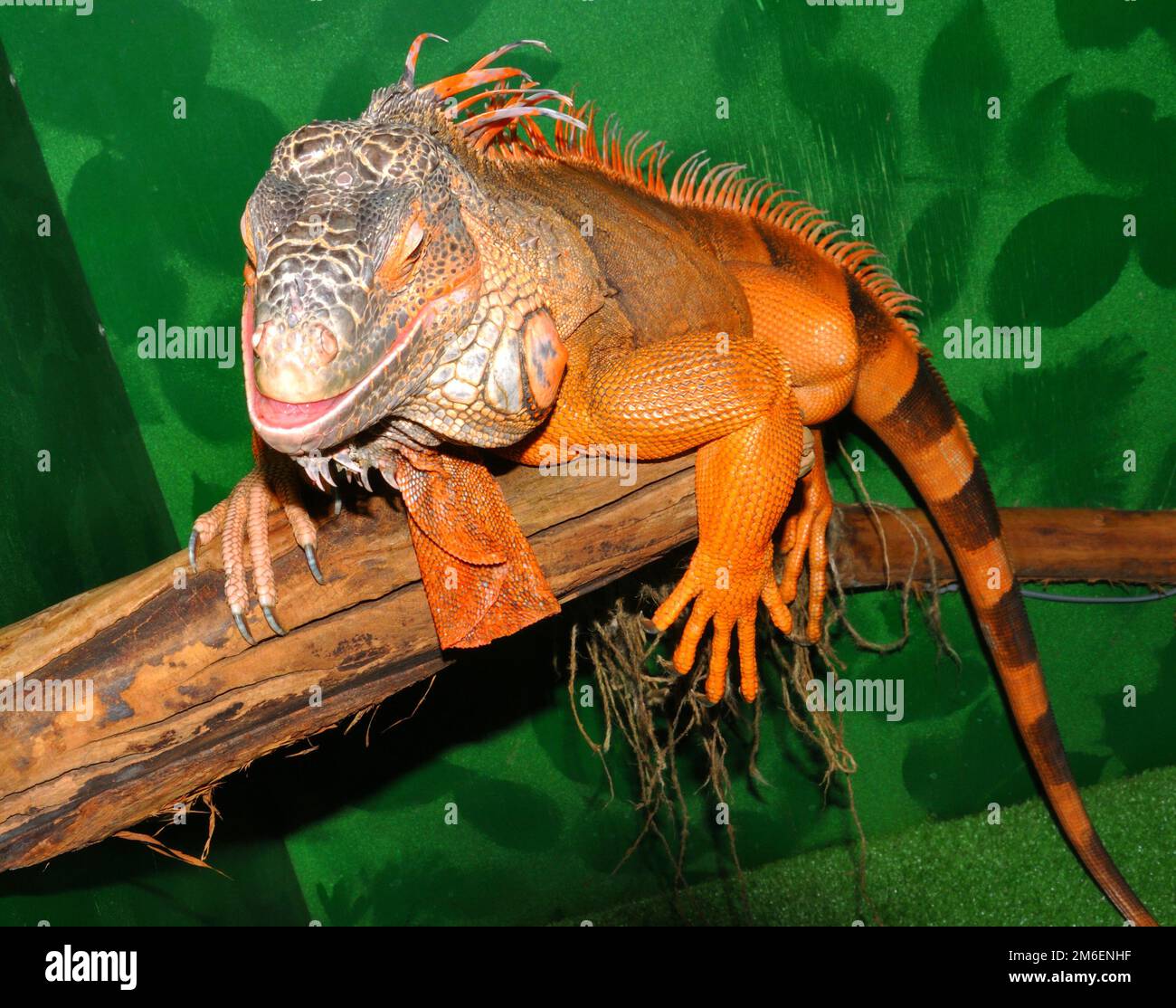
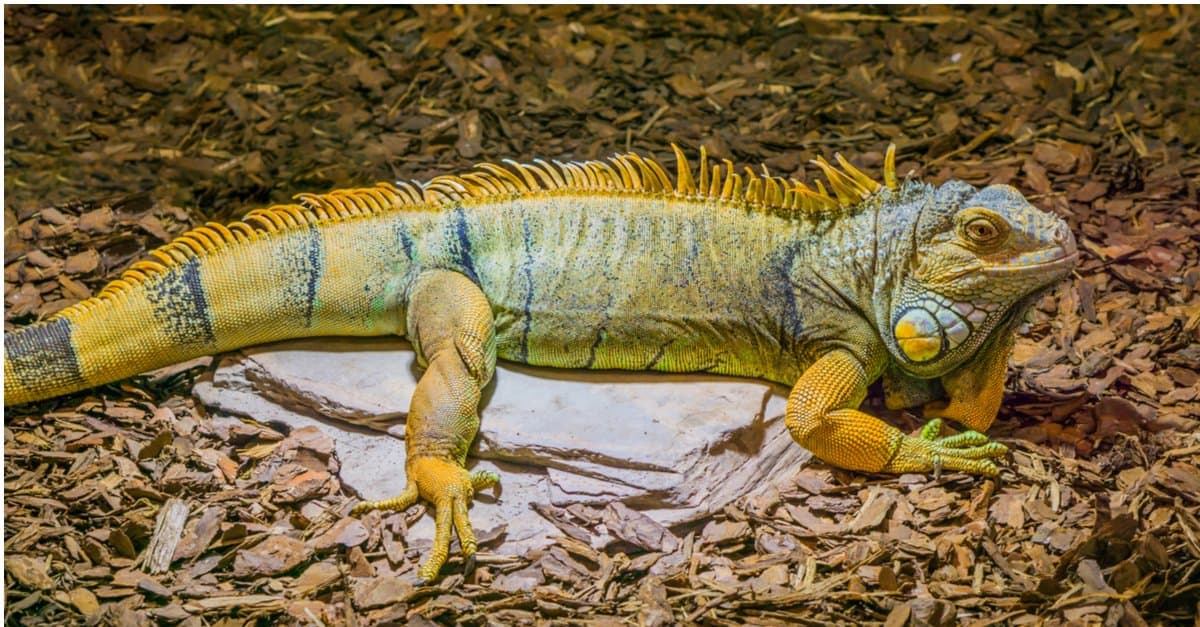
Geographic Range Green iguanas, Iguana iguana , occur throughout Central and South America, from Sinaloa and Veracruz, Mexico, south to the Tropic of Capricorn in Paraguay and southeast Brazil. This large lizard also inhabits many islands throughout the Caribbean region and the coastal eastern Pacific, and has been introduced into southern Florida and in Hawaii. This is the largest known.. While we generally associate color-changing skin with chameleons, many reptiles change color over time. The iguanas usually kept as pets are green iguanas (Iguana iguana). Despite their name, though, their coloring can vary from bright reddish-orange to gray-blue. This reptile's skin may also become a different color.


:max_bytes(150000):strip_icc():focal(749x0:751x2)/Orange-Iguana-122025-785d44fa166a469393d882cf80829006.jpg "South Florida Iguanas Turn Orange During the Holiday Season Here's Why")

+15.jpg "Iguana De Color Verde")

/iguana2-b554e81fc1834989a715b69d1eb18695.jpg "Iguana Facts Habitat, Behavior, Diet")

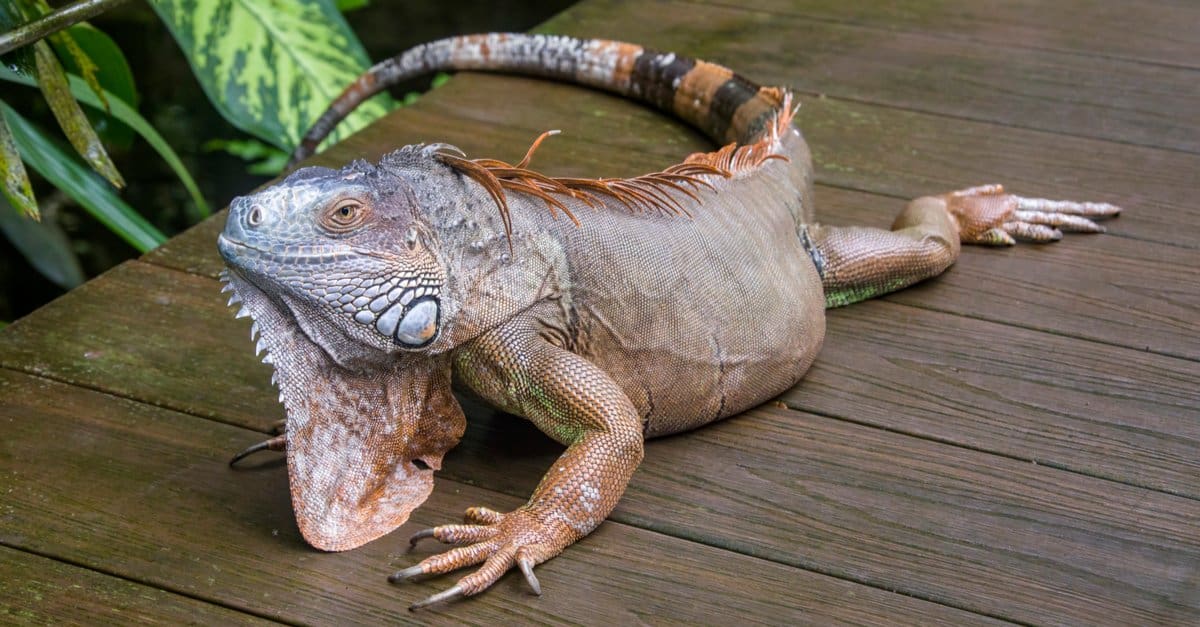
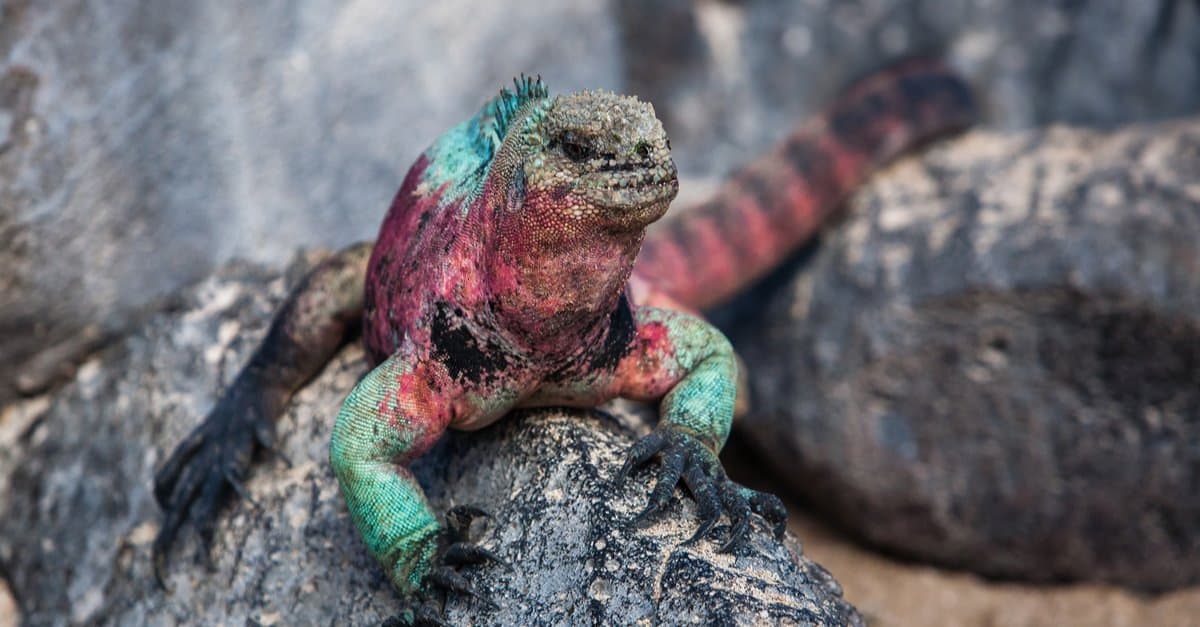


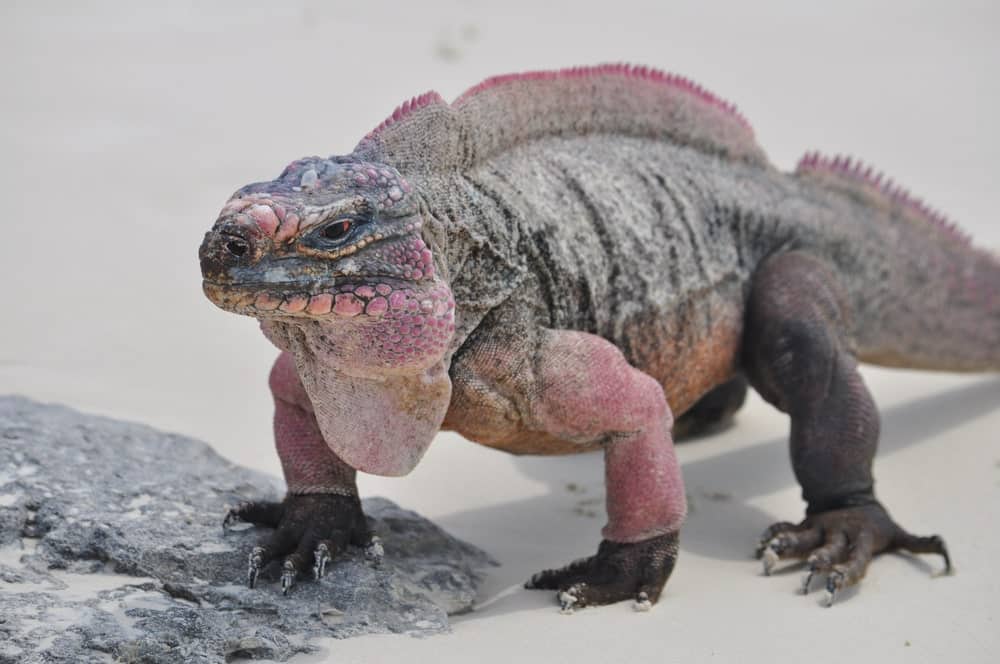

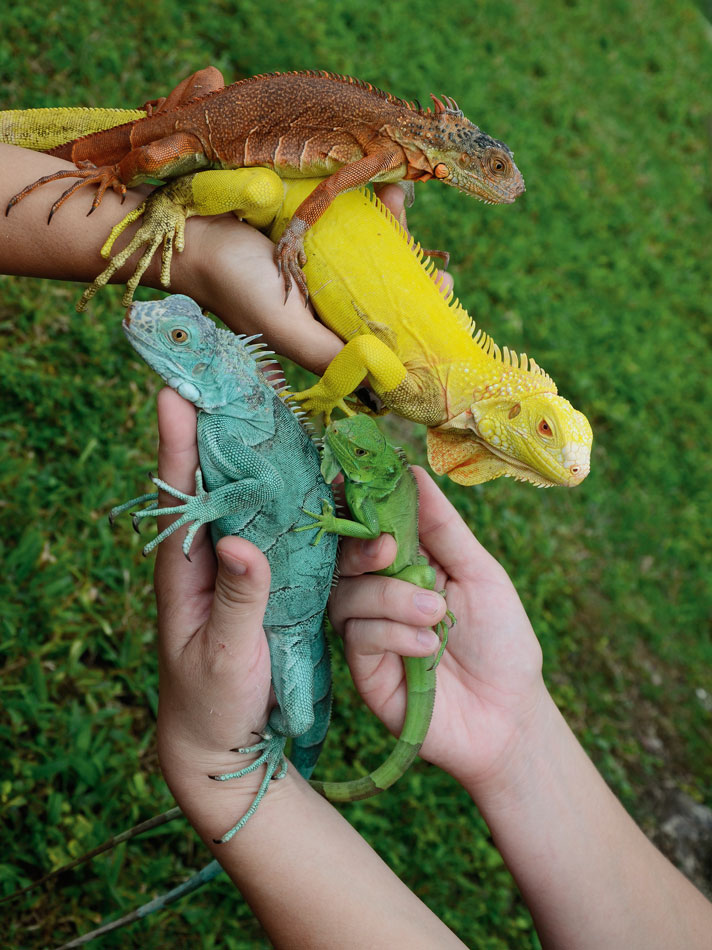
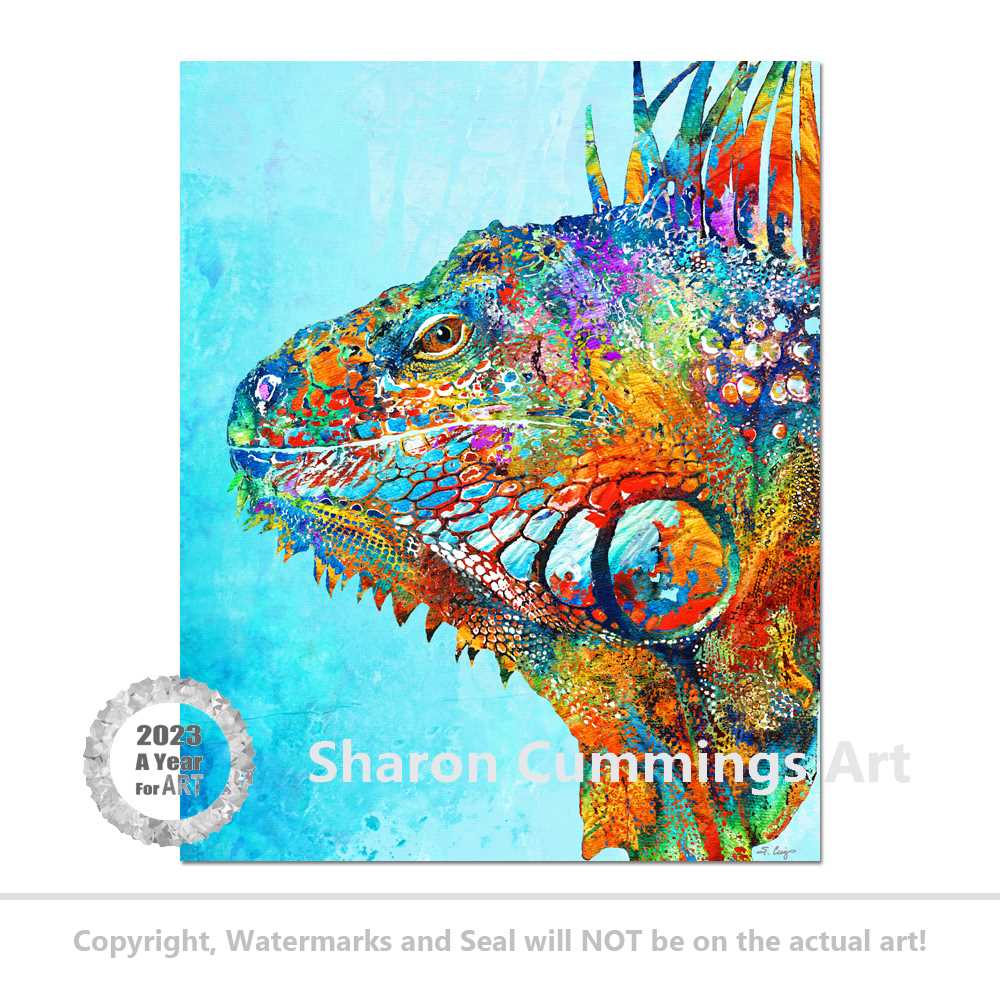
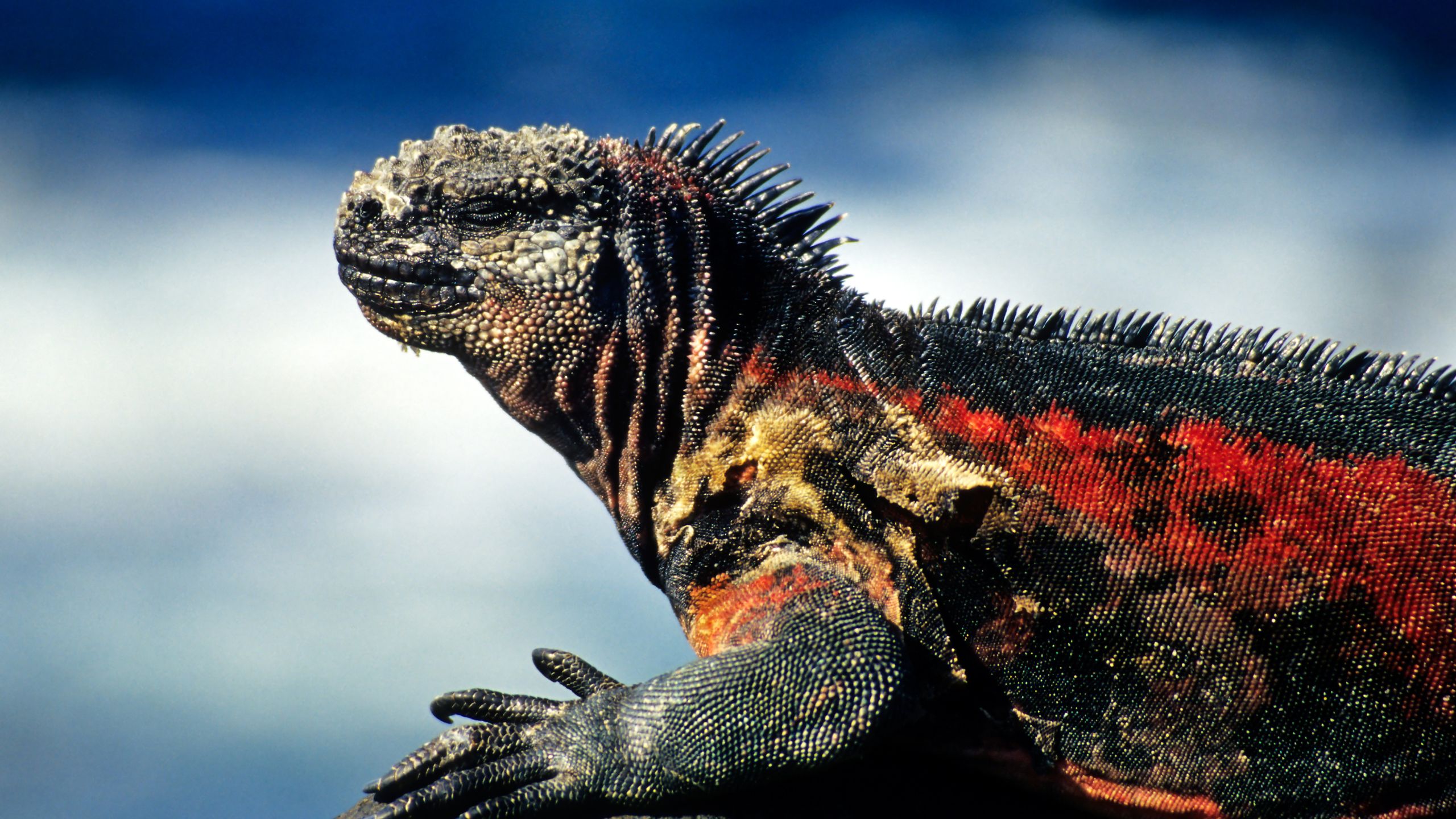


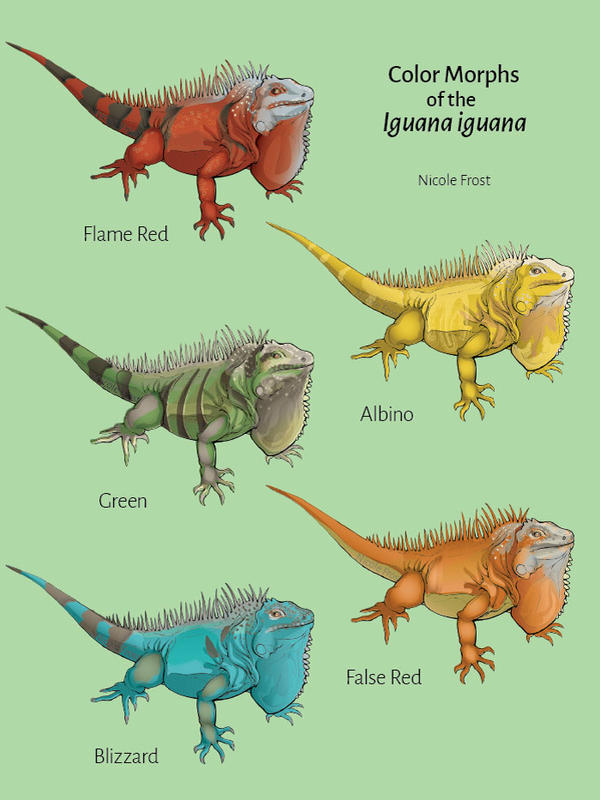

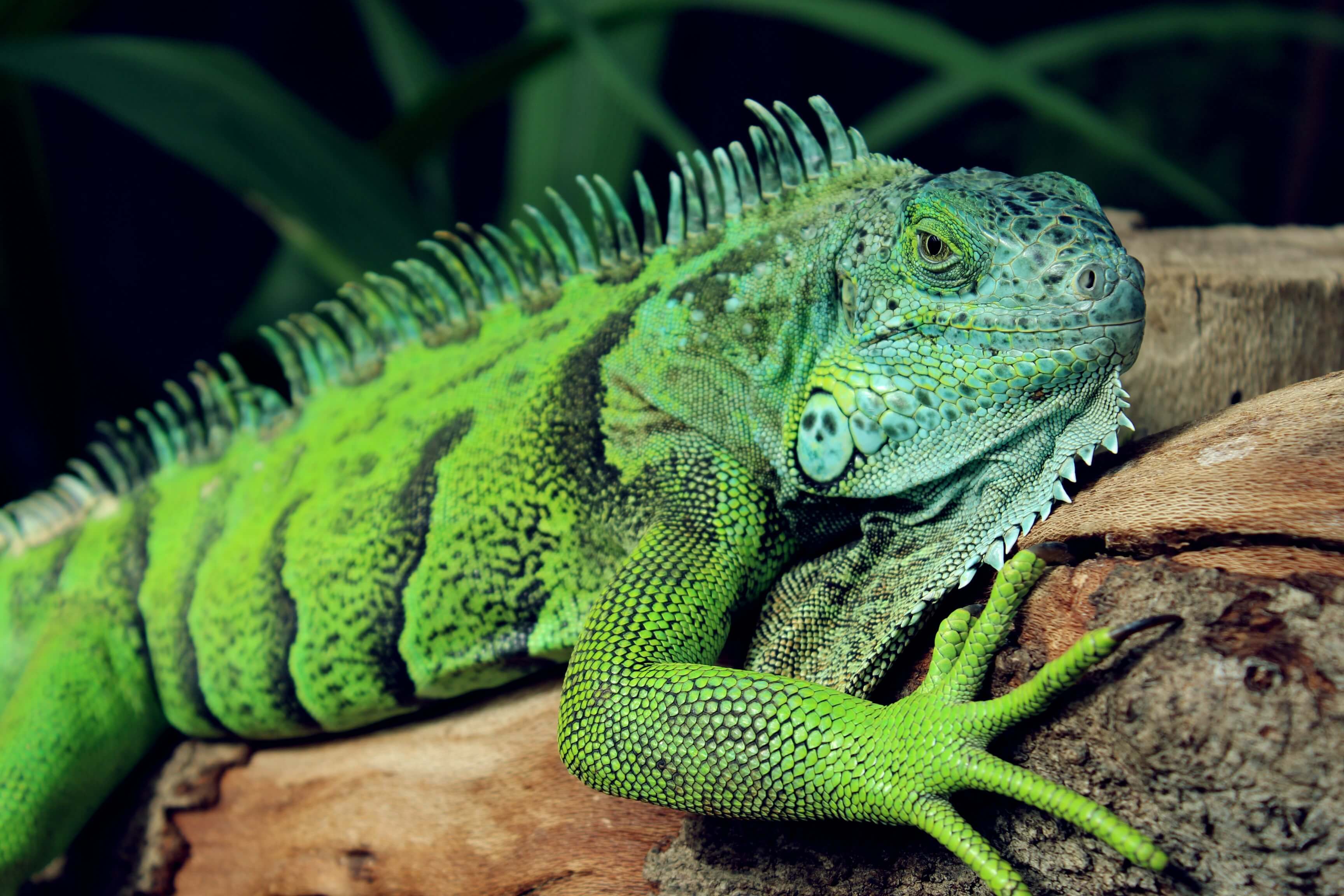

There are many different iguana colors. The main reason for varied colors is the different types of iguanas and where they live. There are currently over 35 recognized iguana species, all with different skin colors. Iguanas change color depending on their body temperature or their mood. If an iguana is turning brown, it could be due to a parasite infection or lack of vitamin A. In addition to.. Iguanas are perhaps the most colorful and diverse lizards on the planet. Learn more here about 10 of the most vibrant and stunning species!