The bones of the head and neck play the vital role of supporting the brain, sensory organs, nerves, and blood vessels of the head and protecting these structures from mechanical damage. Movements of these bones by the attached muscles of the head provide for facial expressions, eating, speech, and head movement.. Skull The skull is a strong, bony capsule that rests on the neck and encloses the brain. It consists of two major parts: the neurocranium (cranial vault) and the viscerocranium (facial skeleton). The neurocranium is the part enveloping the brain and is formed out of two parts; the skull base that supports the brain and the calvaria (skullcap) that sits on top of the base, covering the brain.
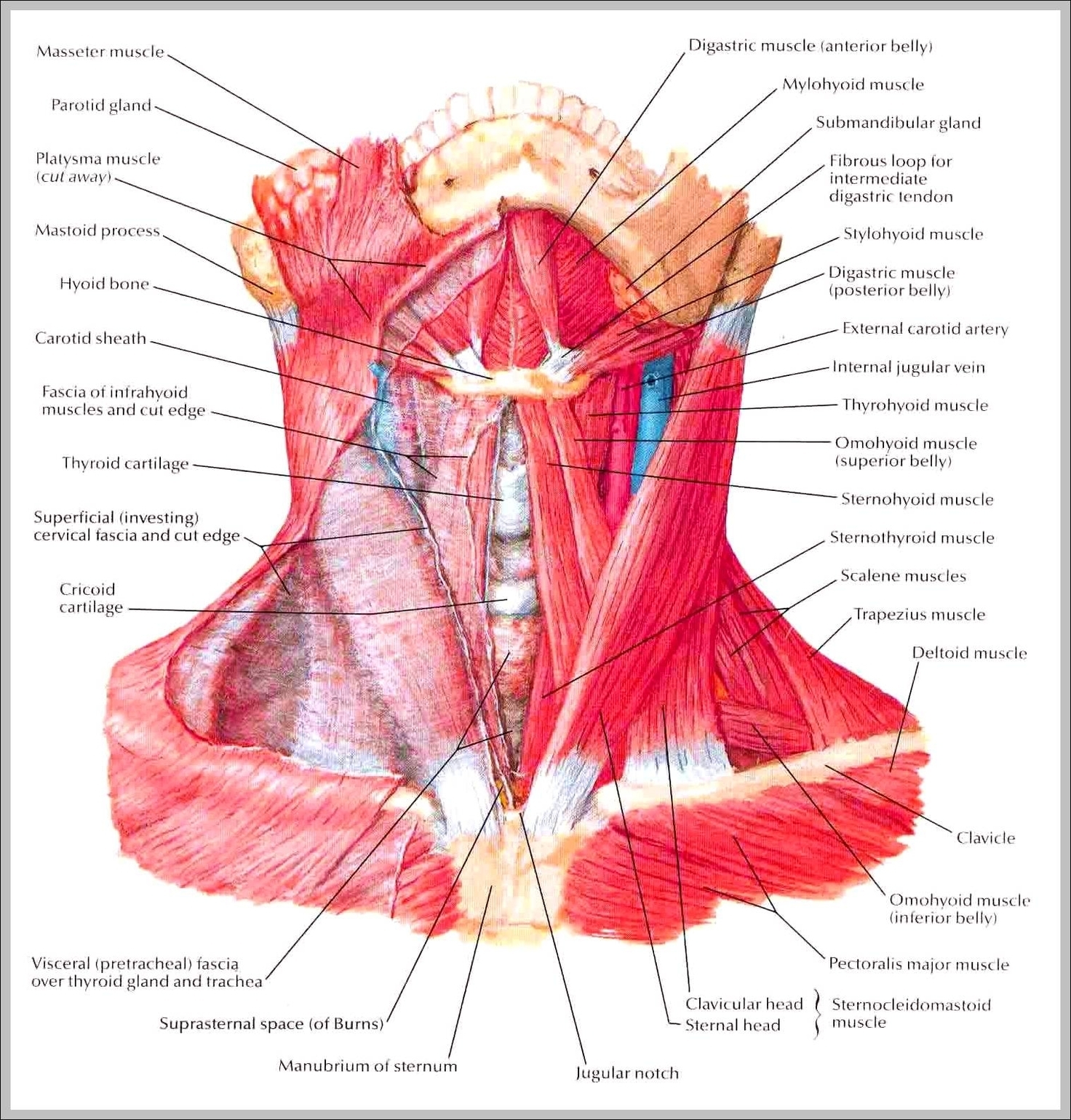


![[DIAGRAM] Human Head And Neck Muscles Diagram](https://biologycorner.com/resources/head-muscles-numbered.png "[DIAGRAM] Human Head And Neck Muscles Diagram")

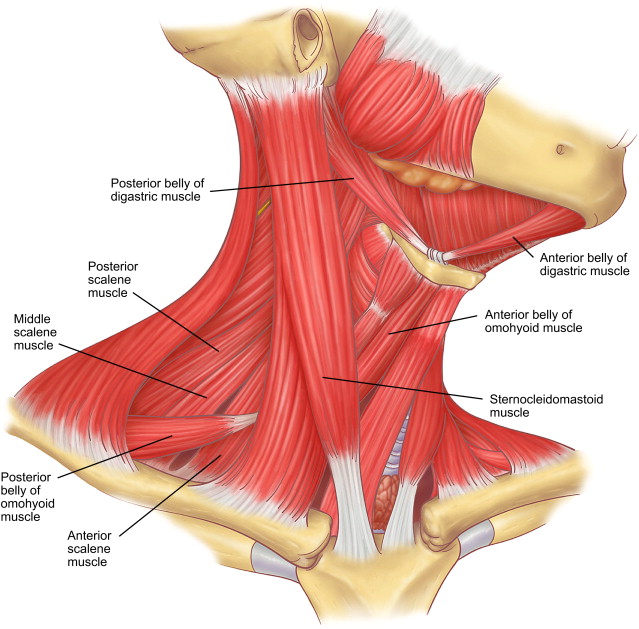
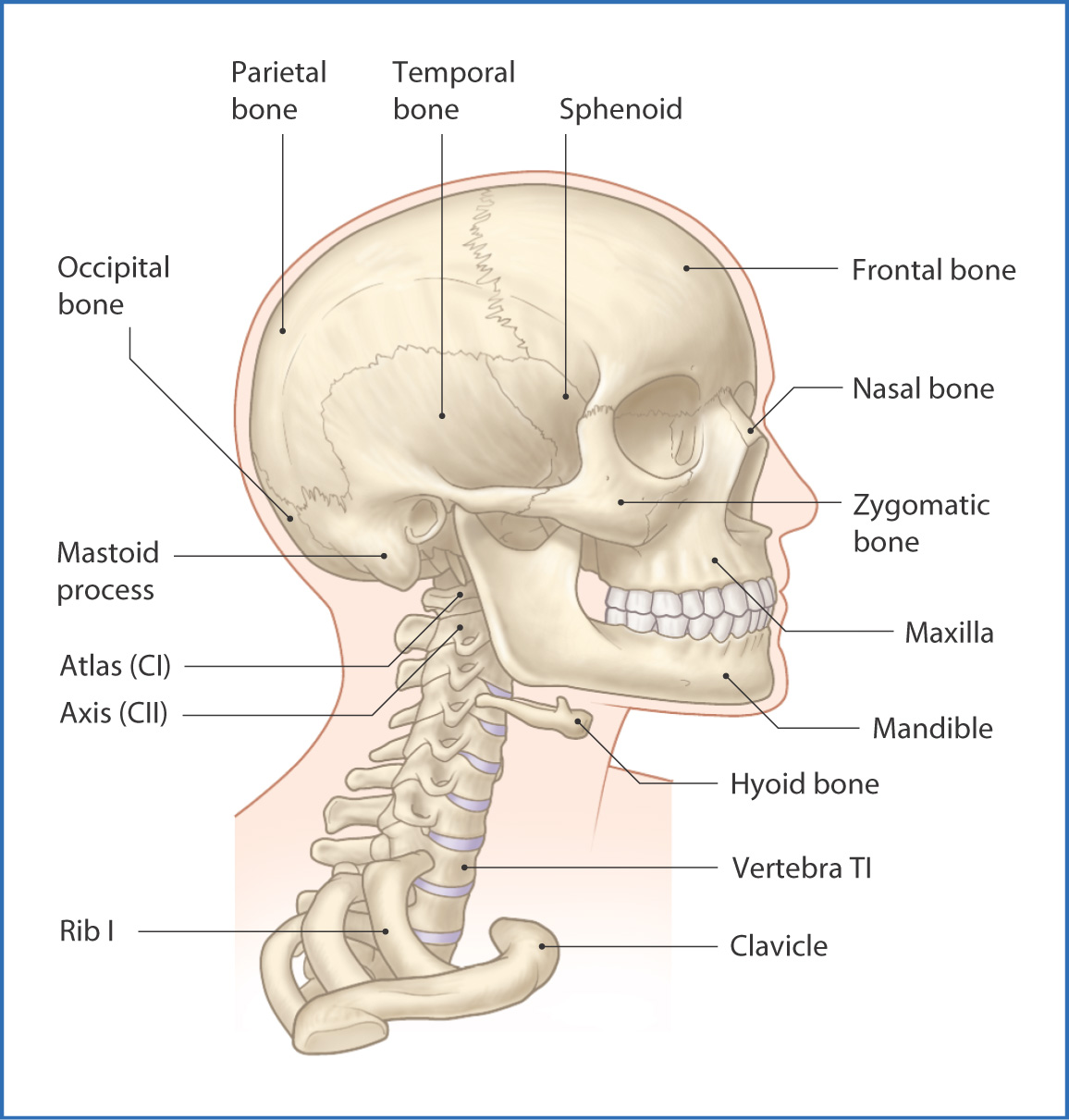

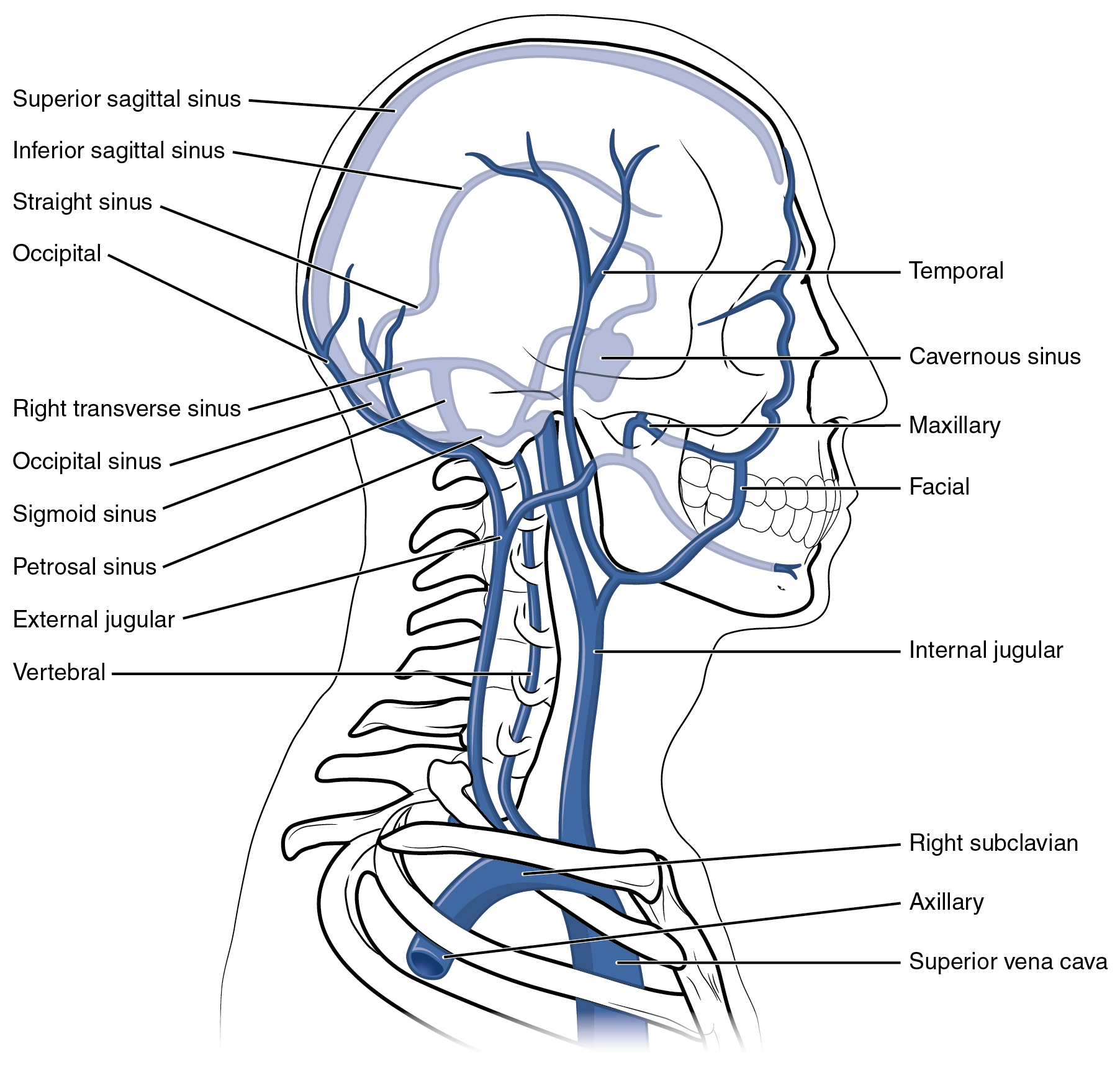


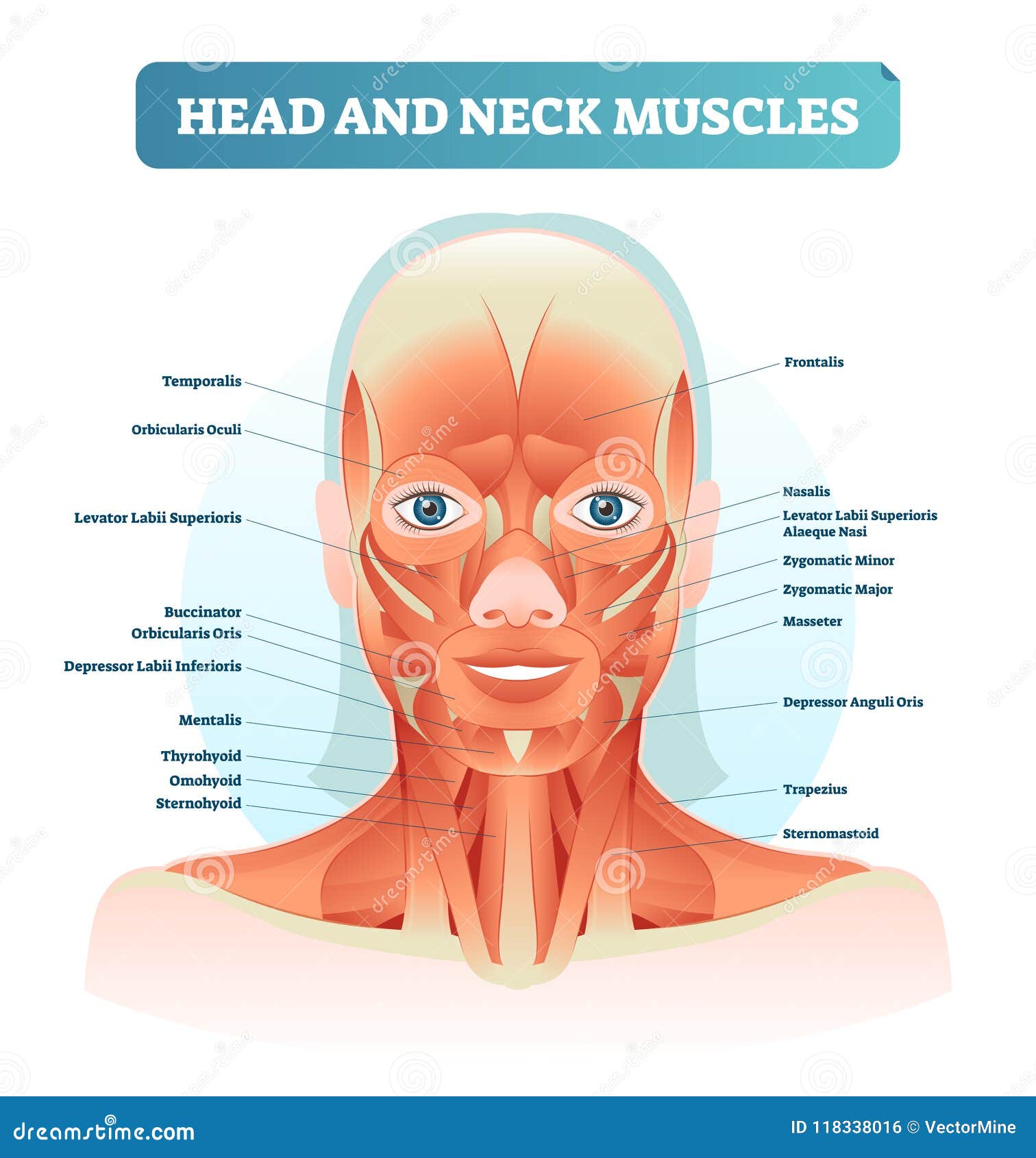


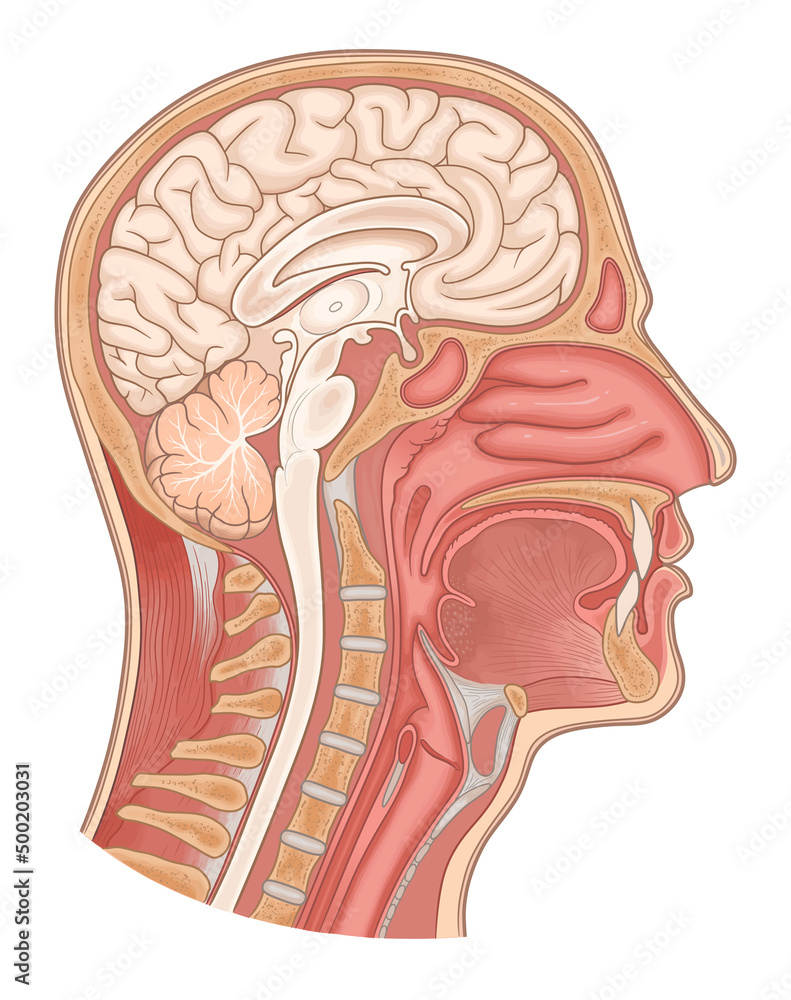

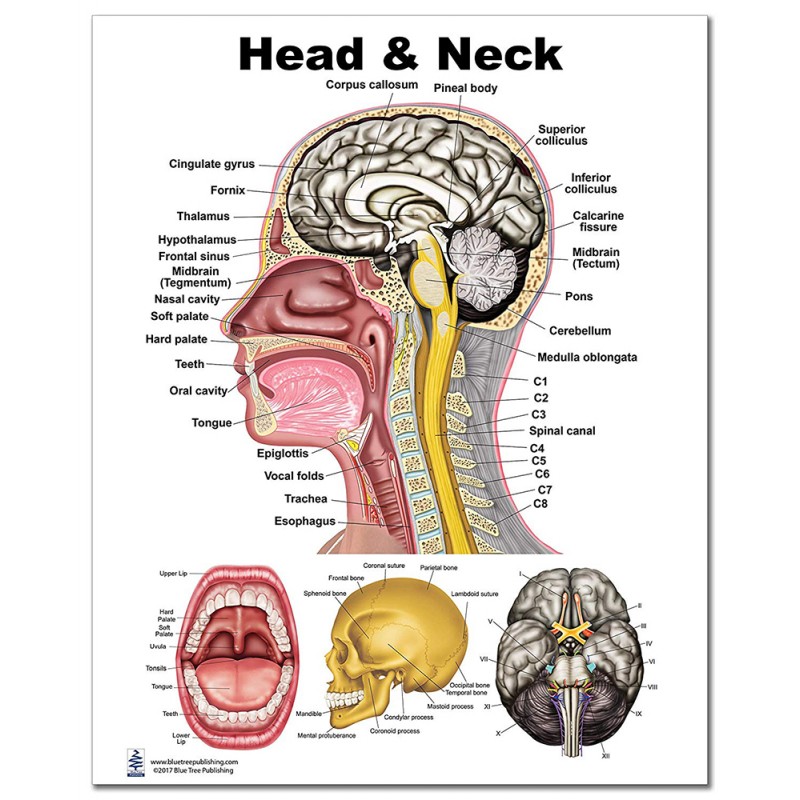
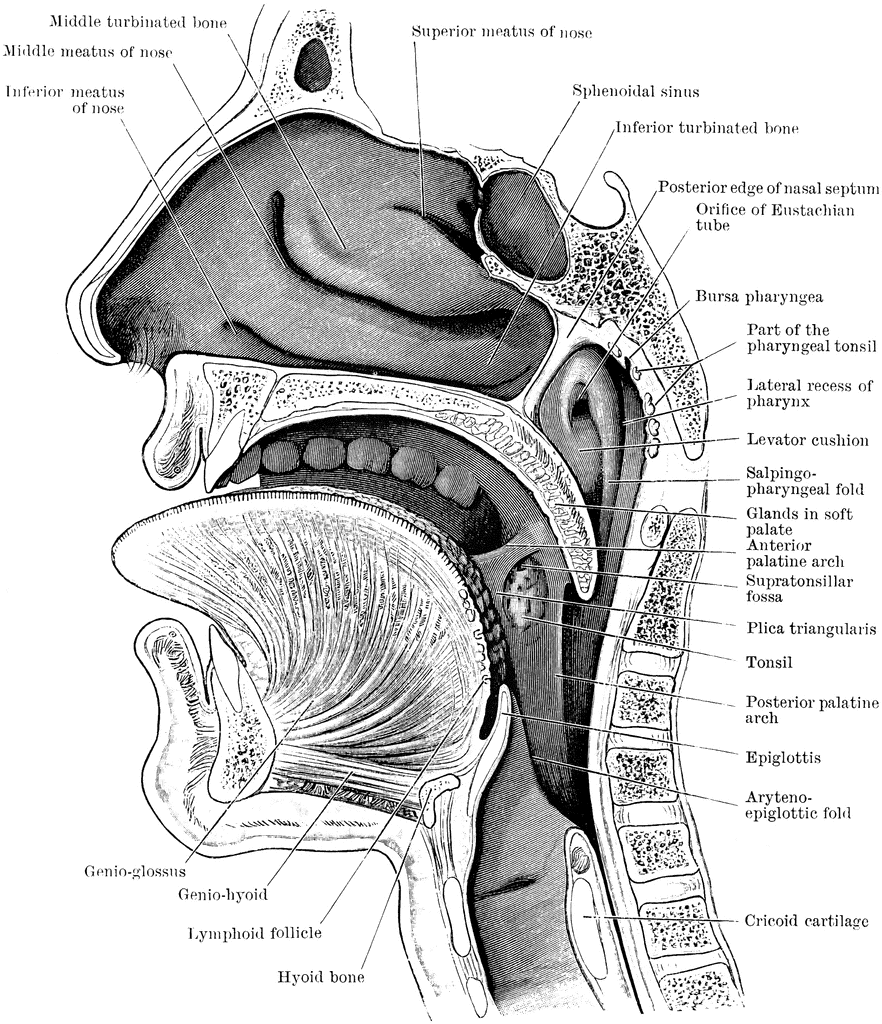

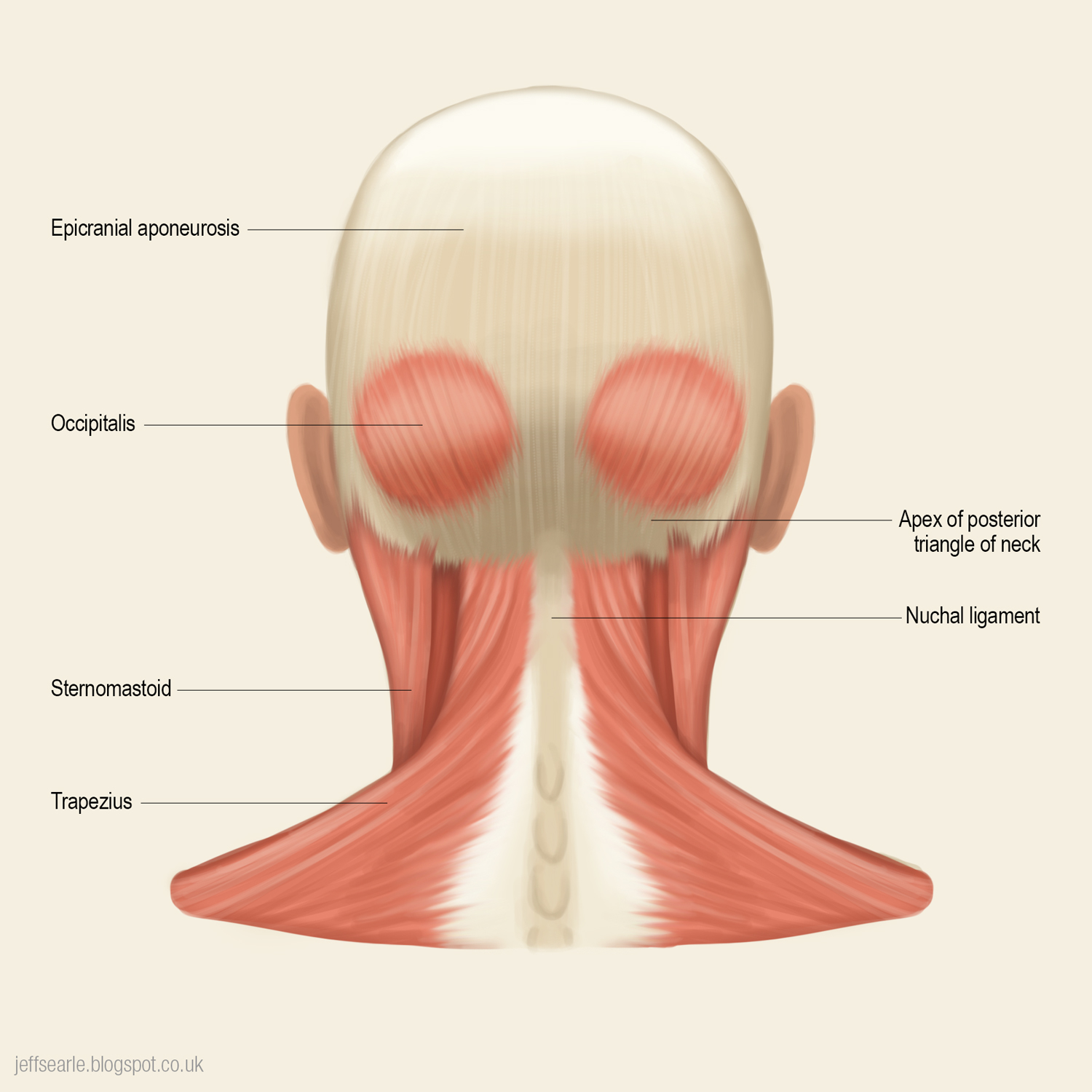
![[DIAGRAM] Human Head And Neck Muscles Diagram](https://s-media-cache-ak0.pinimg.com/736x/33/48/08/334808163729e320e1a8f2f9df8d4799.jpg "[DIAGRAM] Human Head And Neck Muscles Diagram")
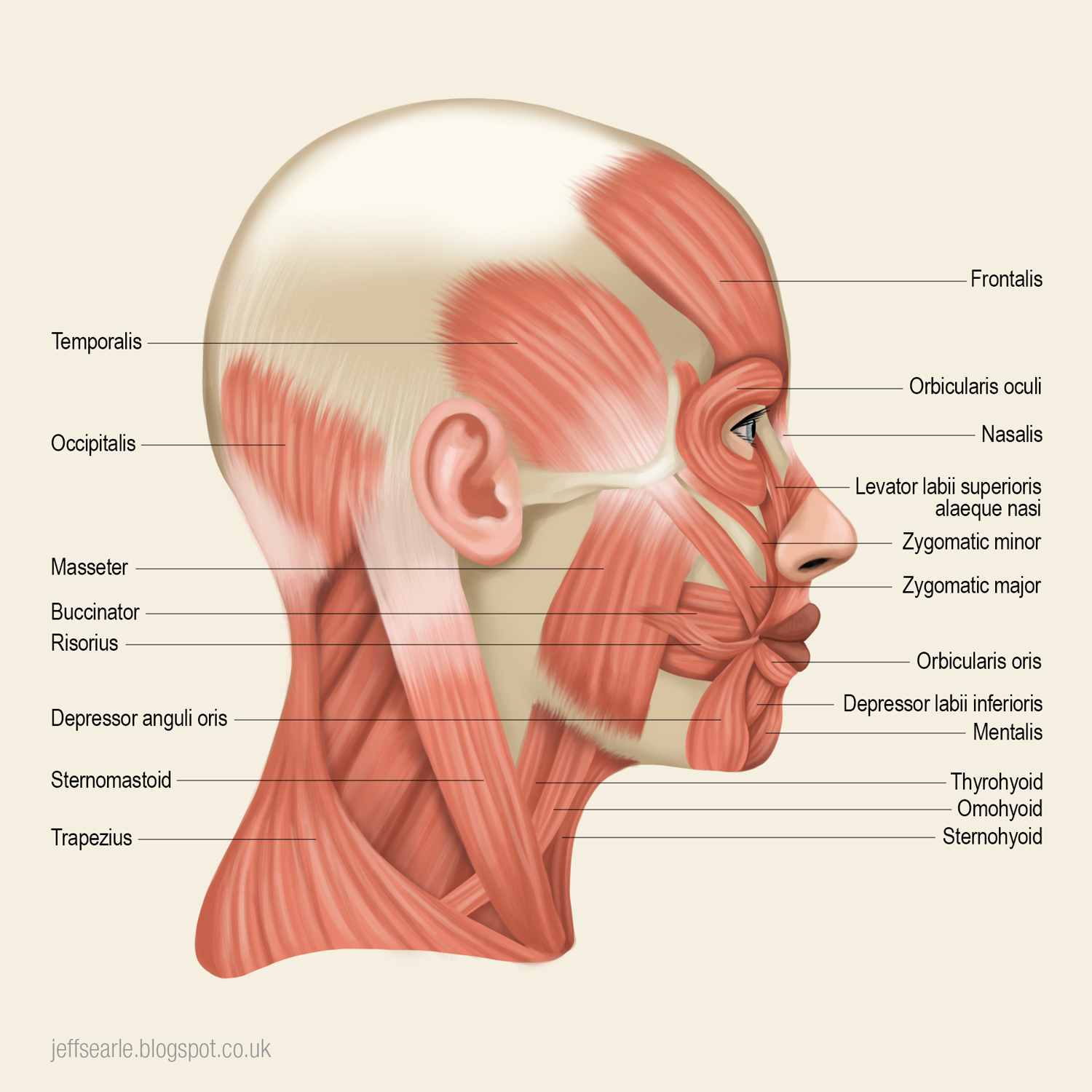


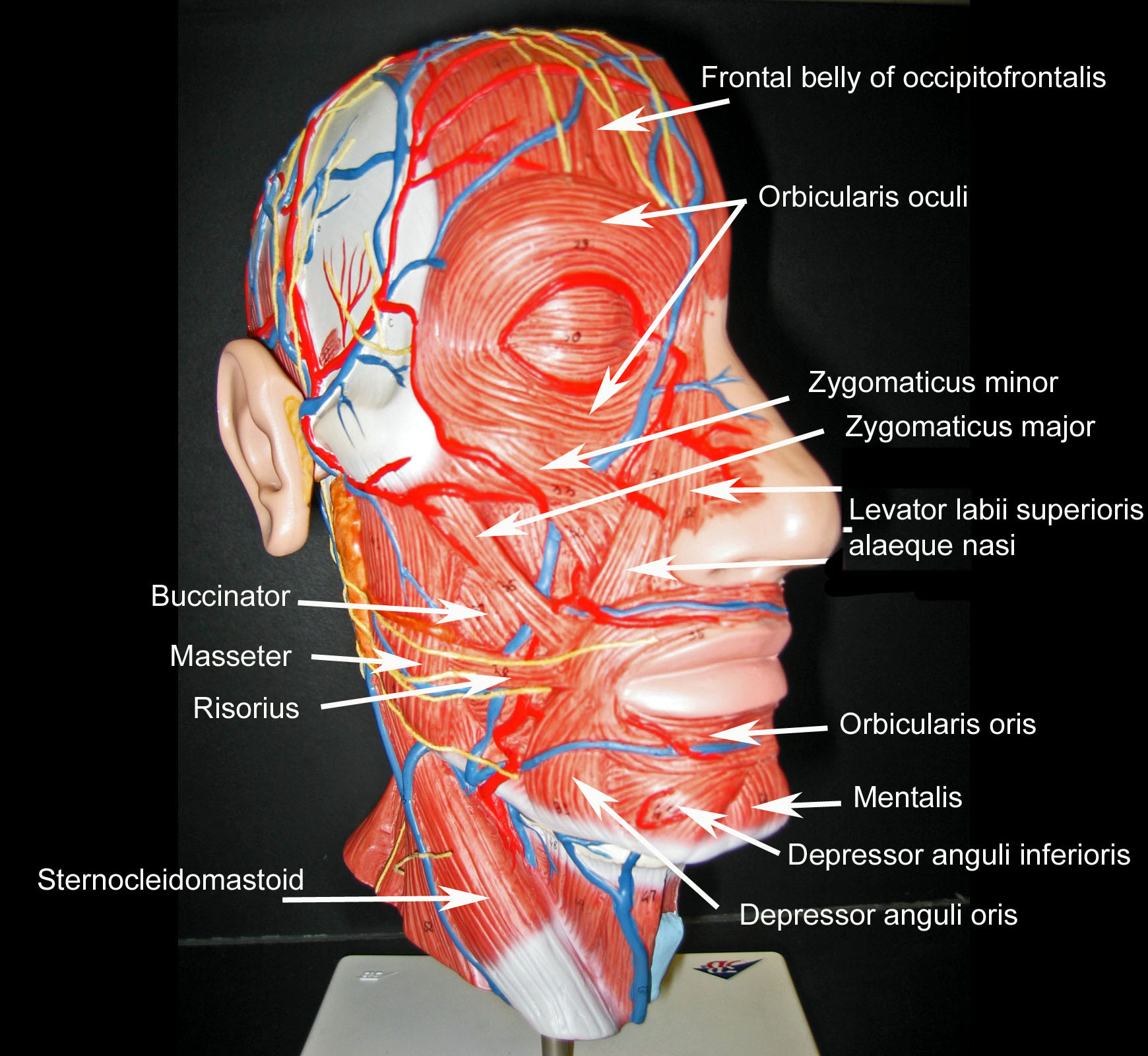

The neck is the bridge between the head and the rest of the body. It is located in between the mandible and the clavicle, connecting the head directly to the torso, and contains numerous vital structures. It contains some of the most complex and intricate anatomy in the body and is comprised of numerous organs and tissues with essential structure and function for normal physiology. Structures.. The head and neck region encompasses a complex network of bones, muscles, nerves, arteries, veins, and various soft tissues, all of which are crucial for human function and interaction. This page of the 3D Anatomy Atlas allows users to explore these structures in a three-dimensional format. Detailed models display the cranial base, facial bones.