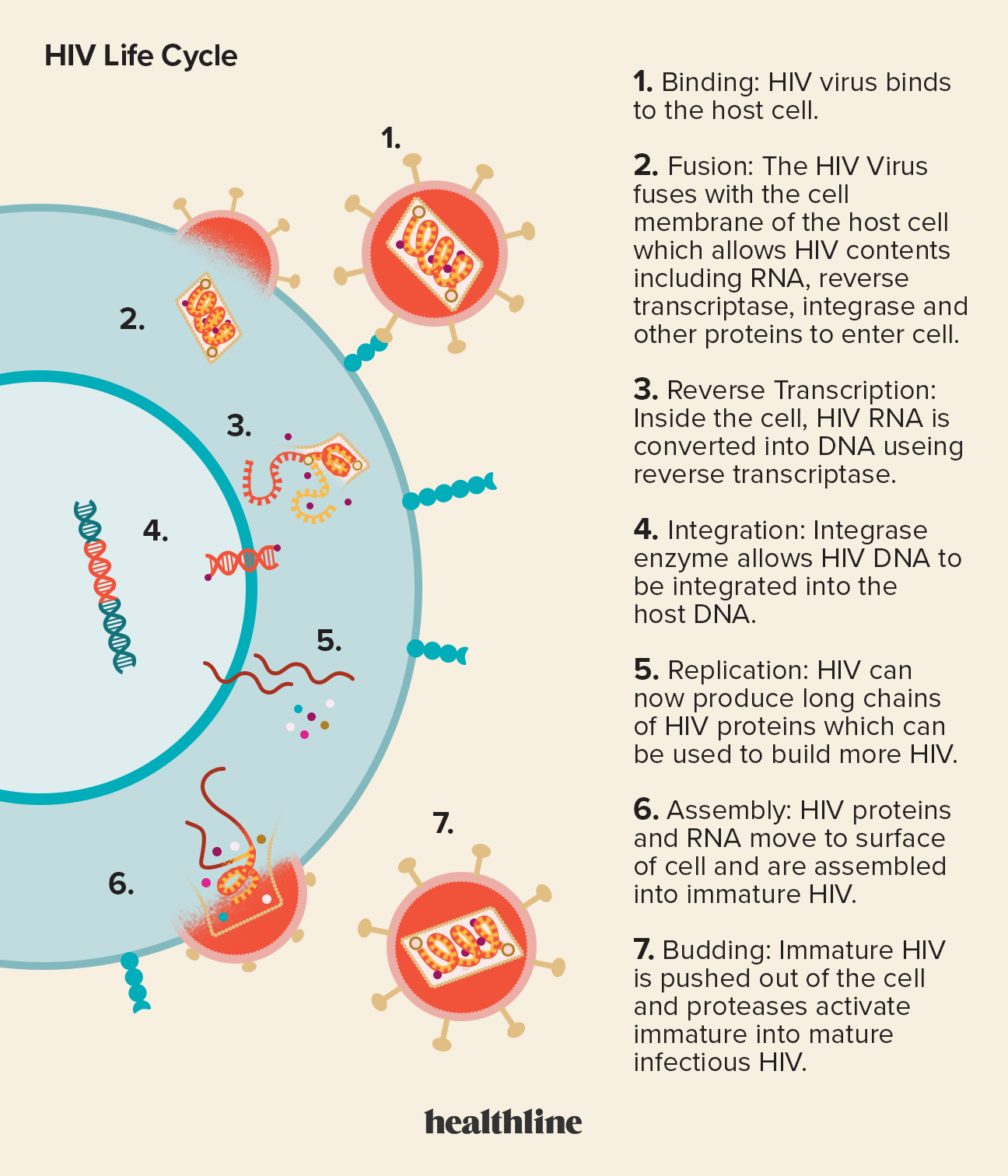
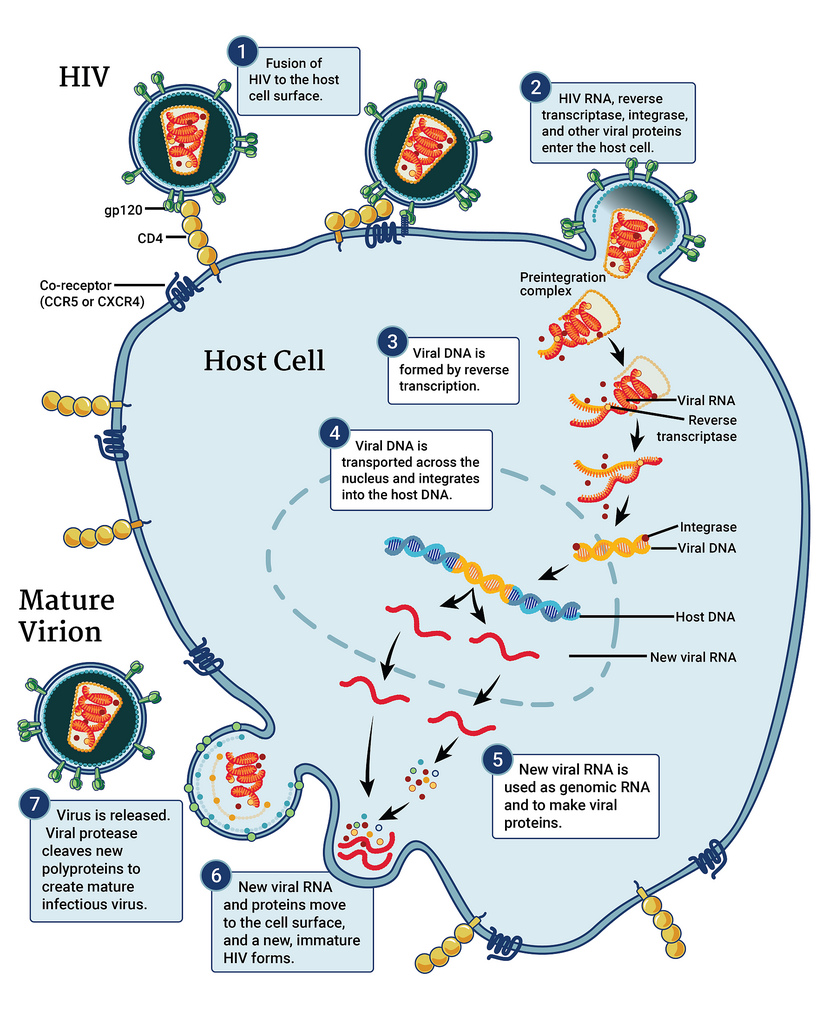
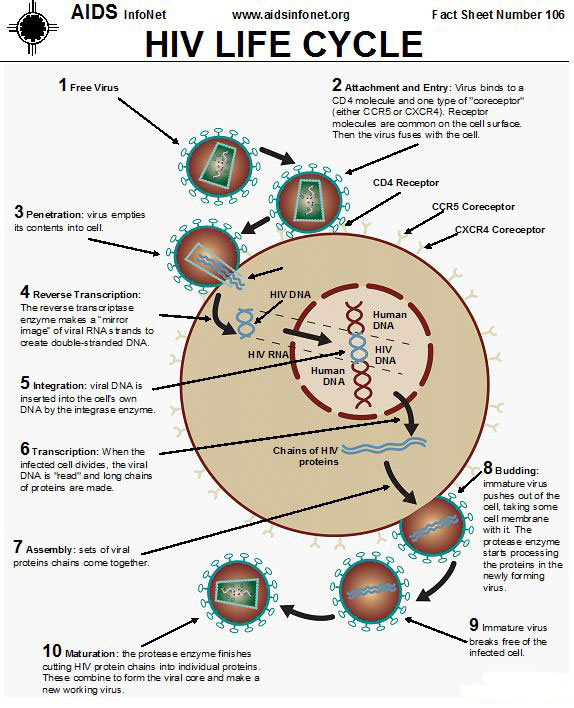
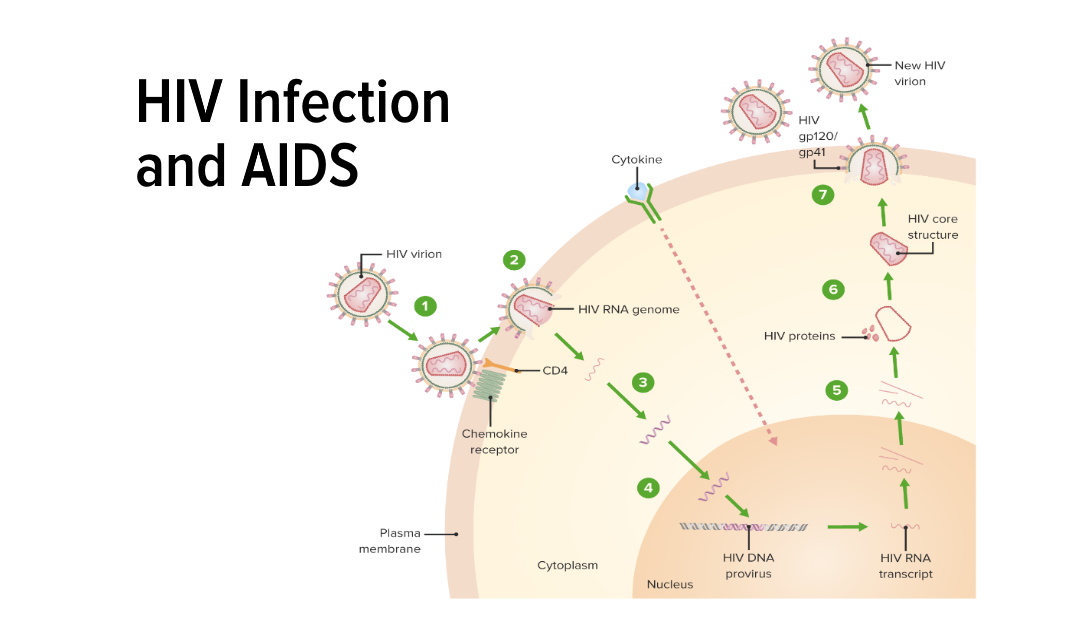
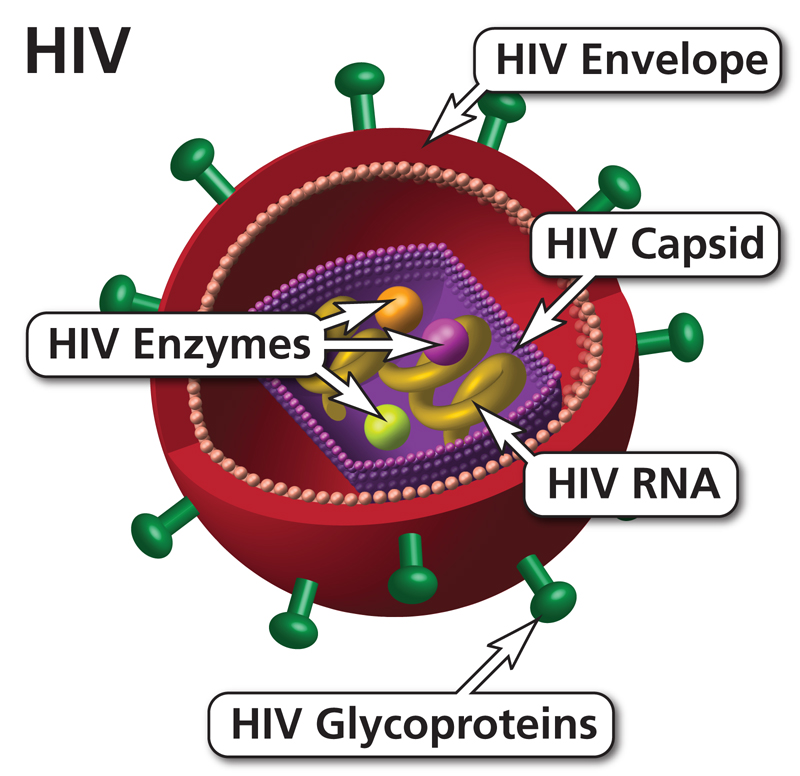
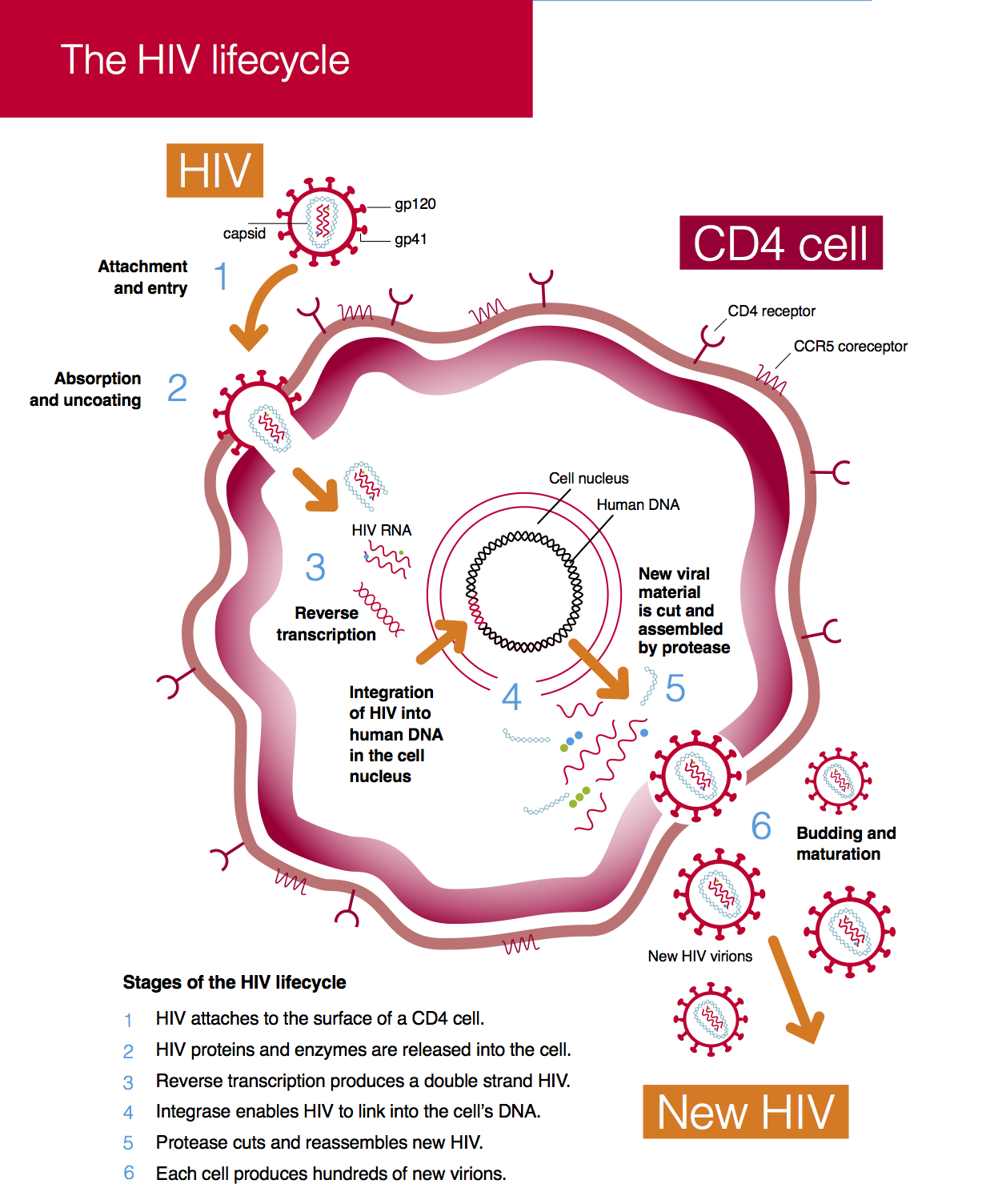
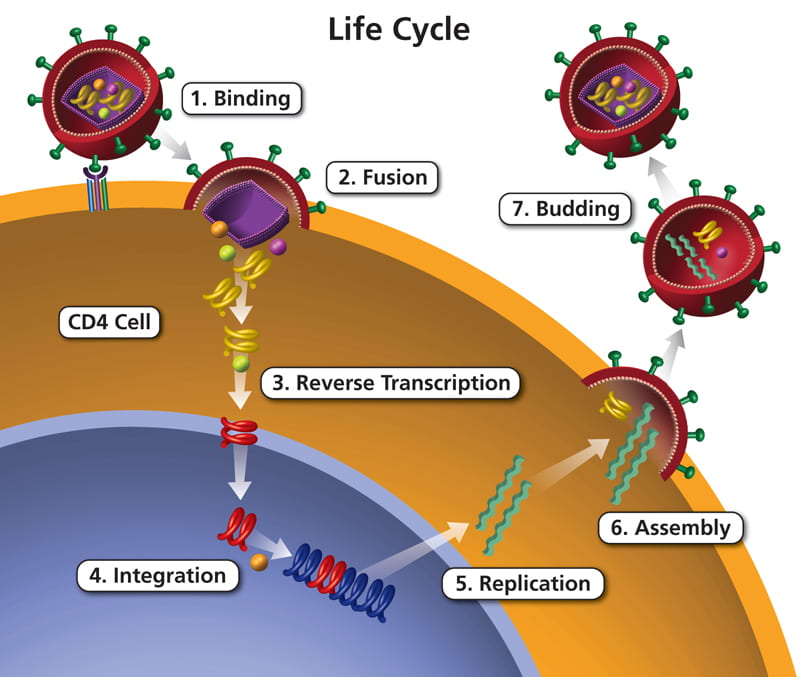
Human Immunodeficiency Virus (HIV) particle (upper right) attaches to cell surface. The viral envelope merges with the cell plasma membrane (middle) releasing the matrix shell and core (purple bullet-shaped structure containing the viral genome) into the cell. The viral RNA (yellow string-like structure in core) is converted into viral DNA (red string-like structure in core) by the enzyme.. Figure 12 - Different types of HIV test. Figure 13 - Average time after exposure to detect HIV antigens and antibodies. Figure 14: Diagram of a Y-shaped antibody. The variable region - the antigen binding site (in yellow) and the constant region (in light blue) Figure 15: How antibodies and antigens interact. Diagrams for risk factors



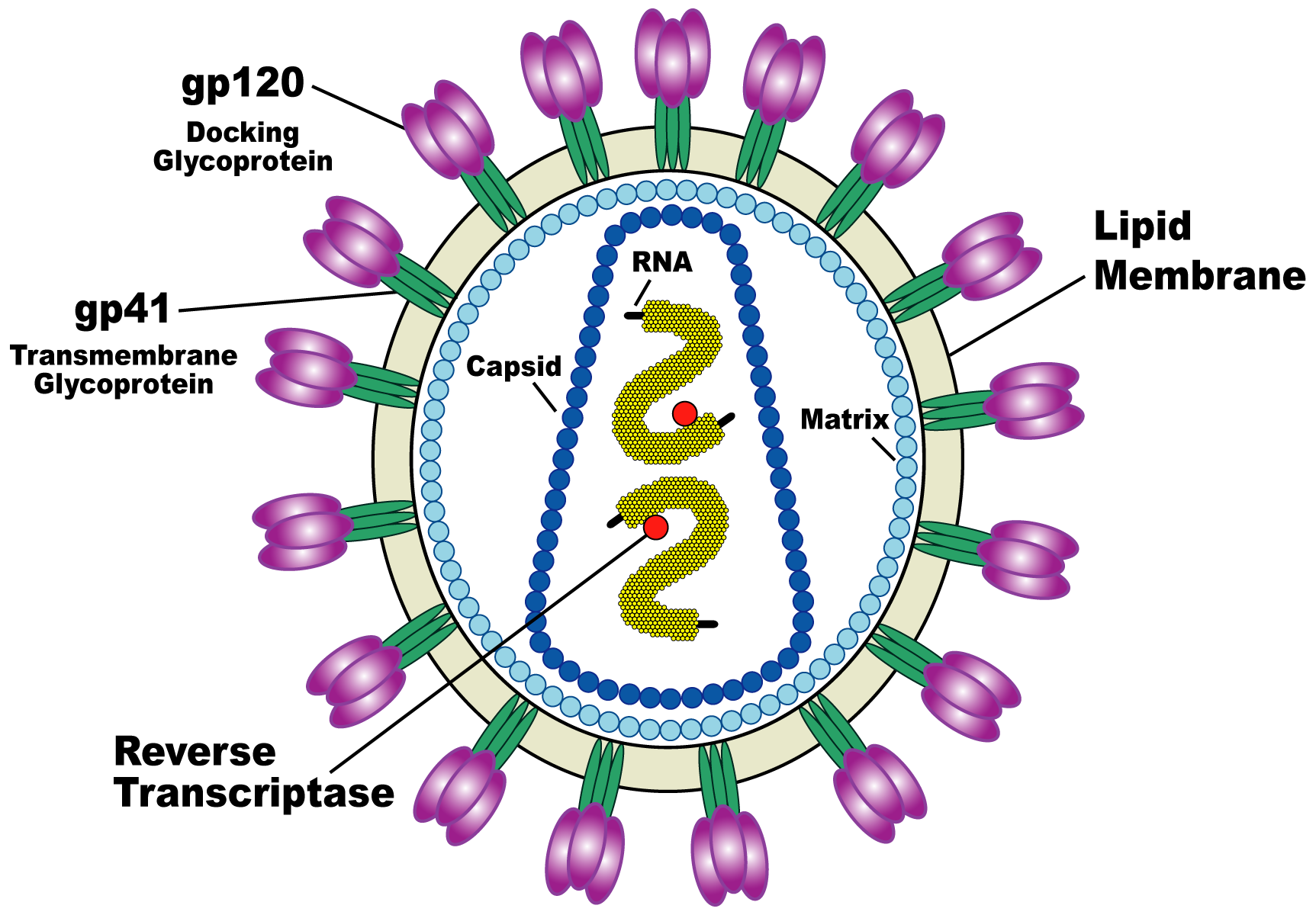
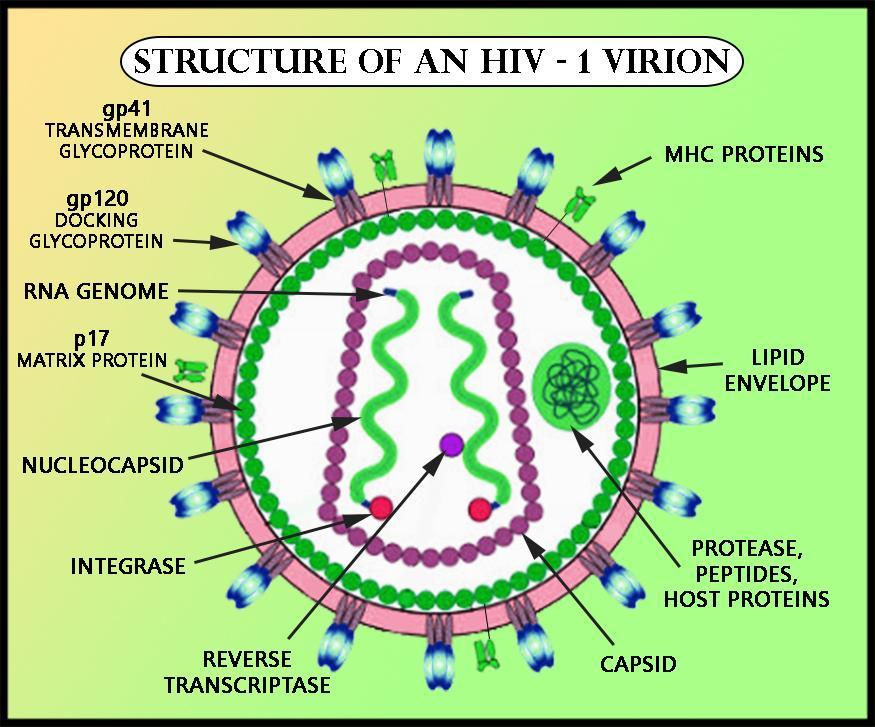
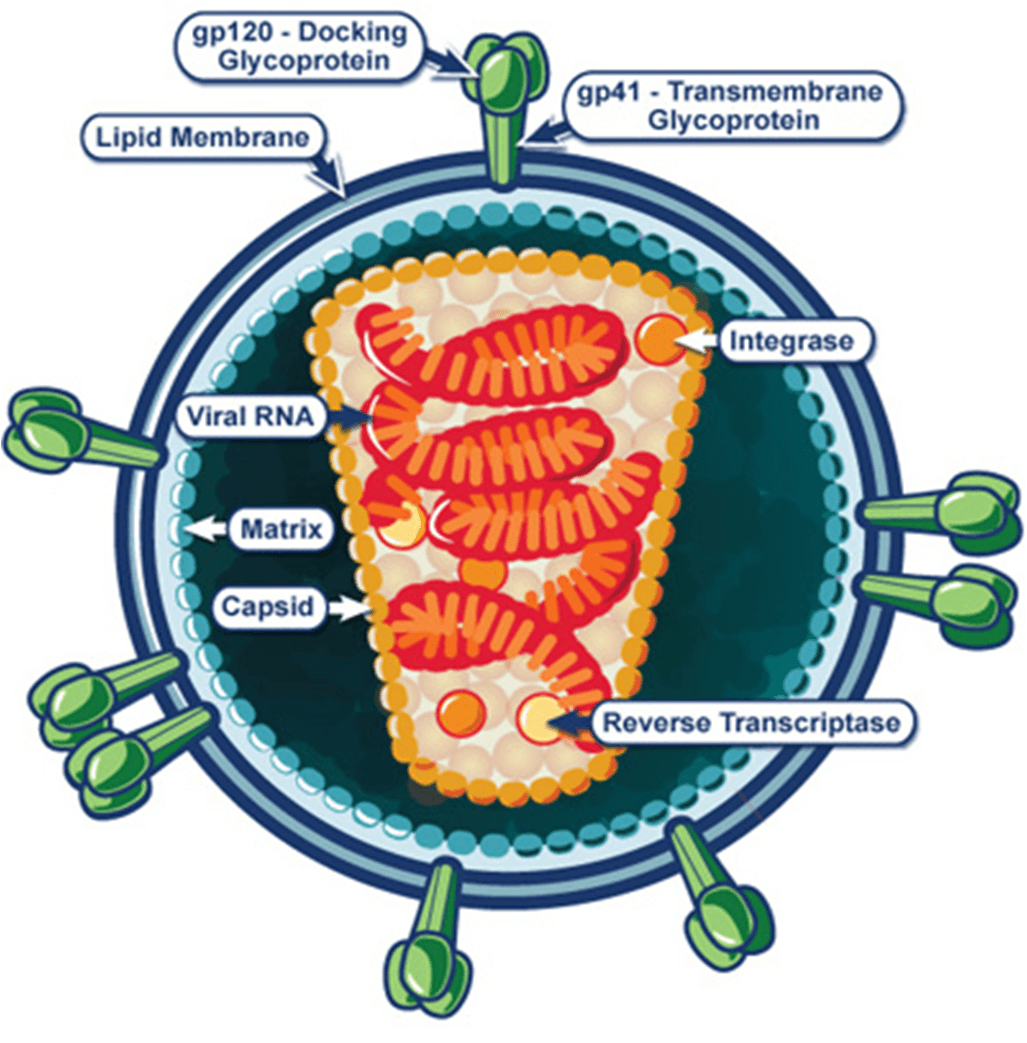
![[DIAGRAM] Pathophysiology Of Aids Hiv Diagram](http://www.eenzyme.com/images/HIV structure modified.jpg "[DIAGRAM] Pathophysiology Of Aids Hiv Diagram")

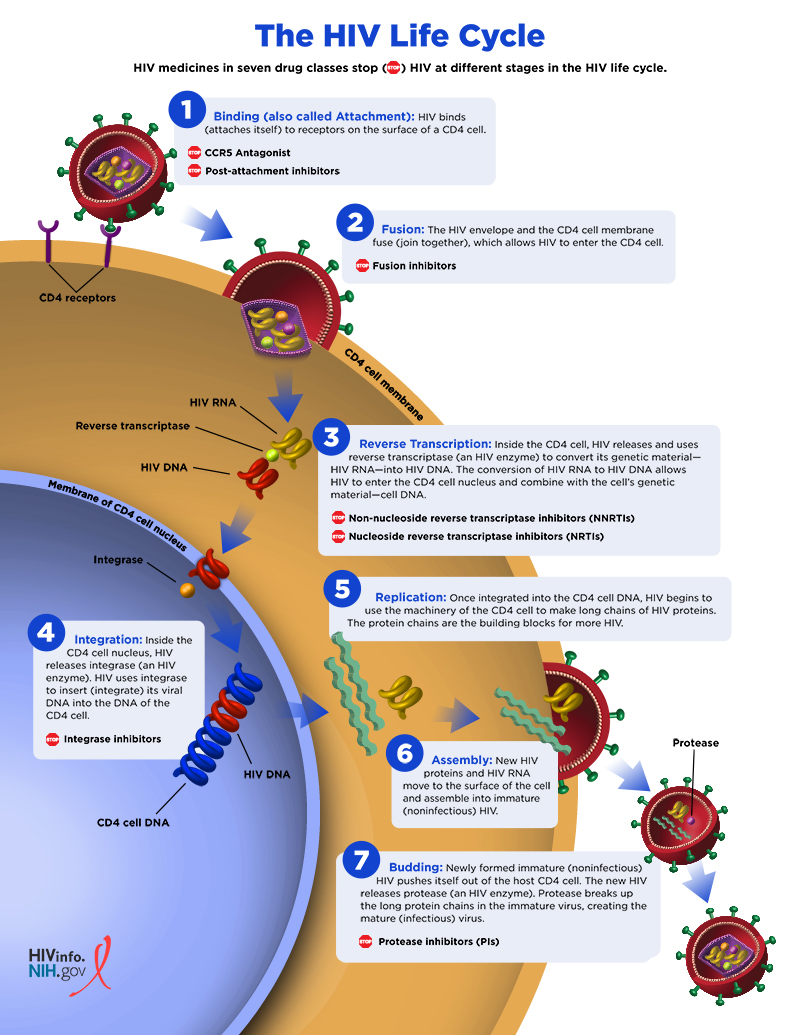




.jpg "HIV Life Cycle Positively Aware")


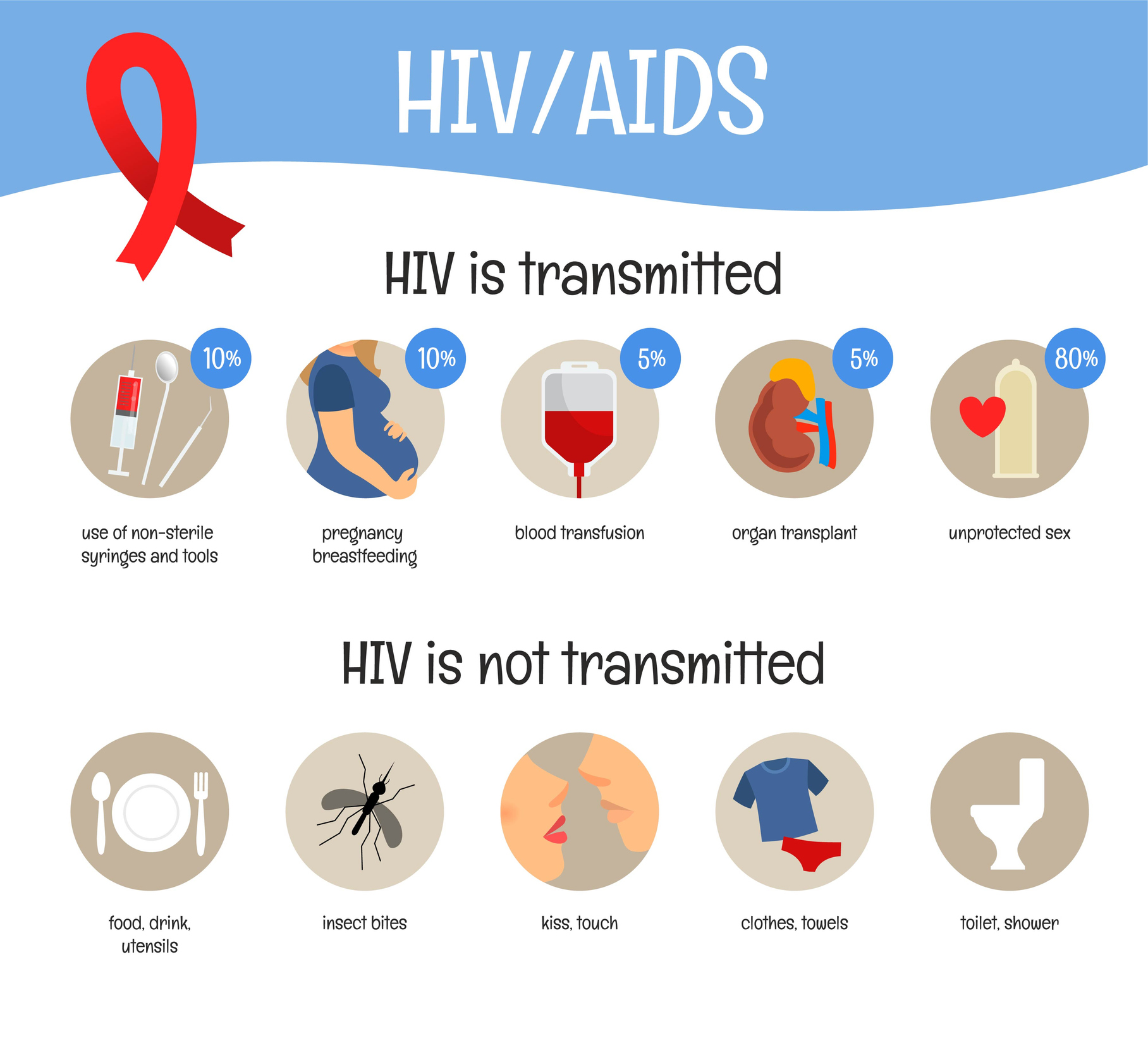
:max_bytes(150000):strip_icc()/hiv-transmission-5086570-Final-13ee7bc434564d2cbab3a3734327ef0c.jpg "How Is HIV Transmitted?")
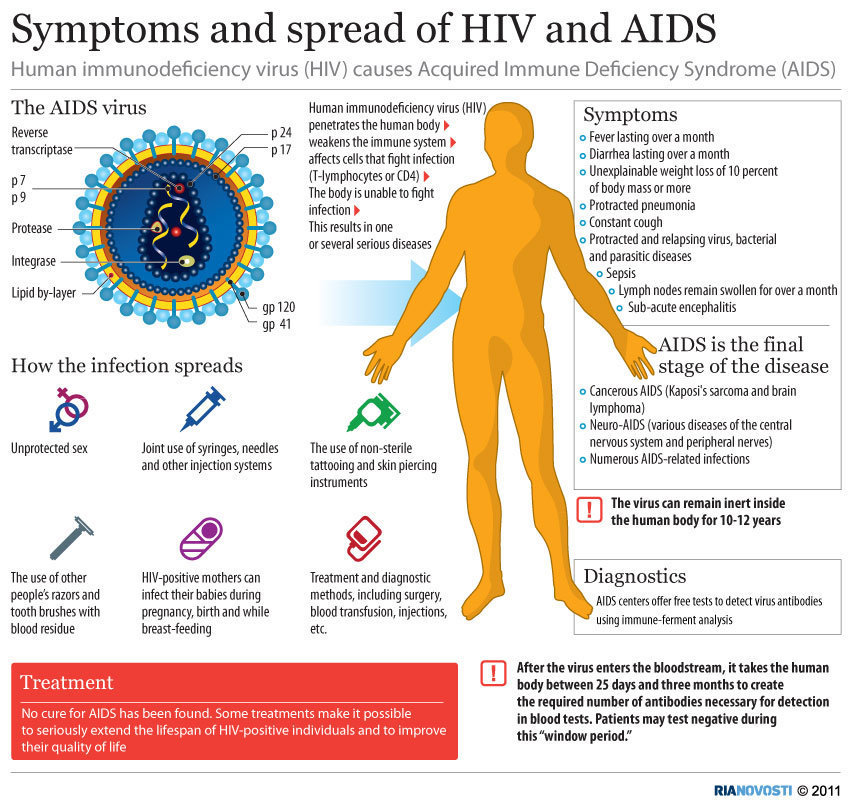
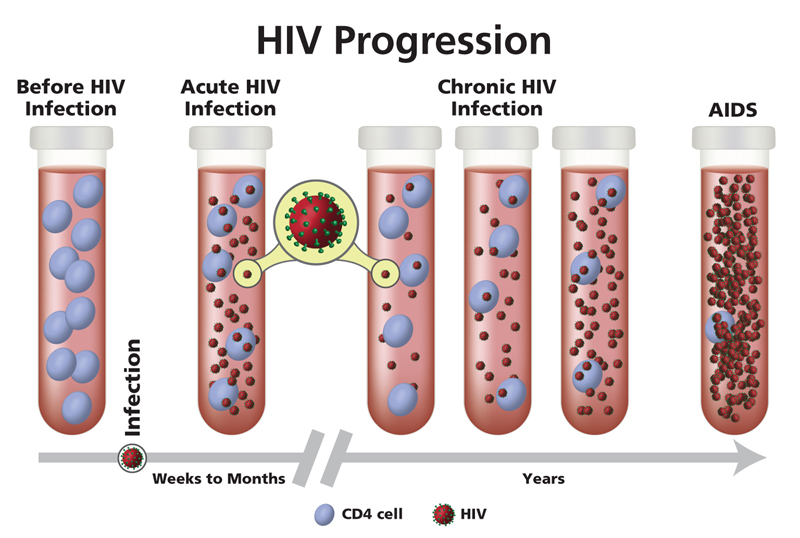
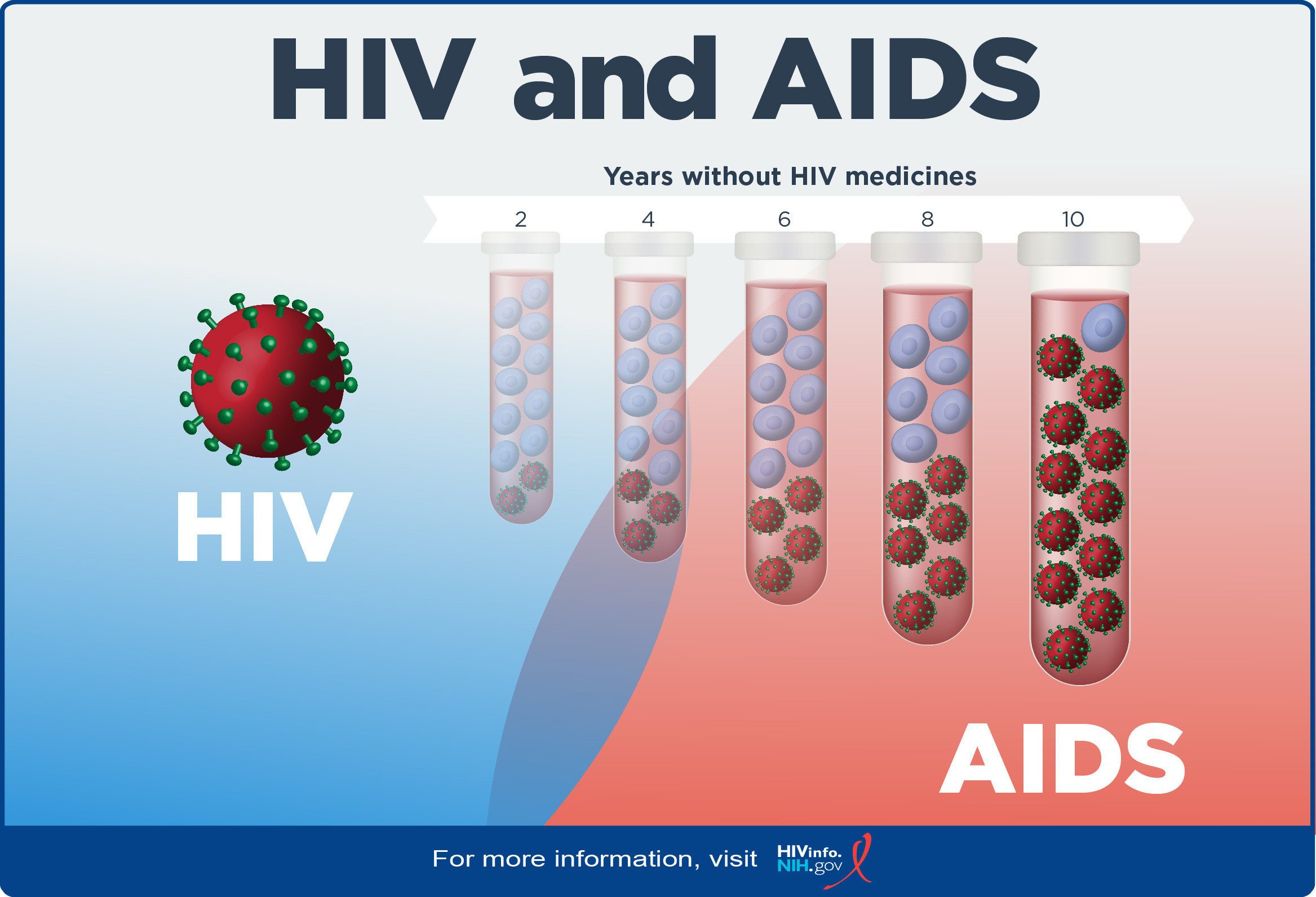
This diagram shows how HIV infects and destroys T cells. HIV is able to evade the immune system and keep destroying T cells. This occurs in two ways:. Innovative research approaches could lead to new treatments and possibly a cure for AIDS. HIV/AIDS has been described as a disease of poverty. Individuals with poor access to health care are.. The U.S. government offers many resources for people with HIV at aids.gov, ranging from places to get tested to uplifting stories of living with the virus. The CDC also offers valuable information.