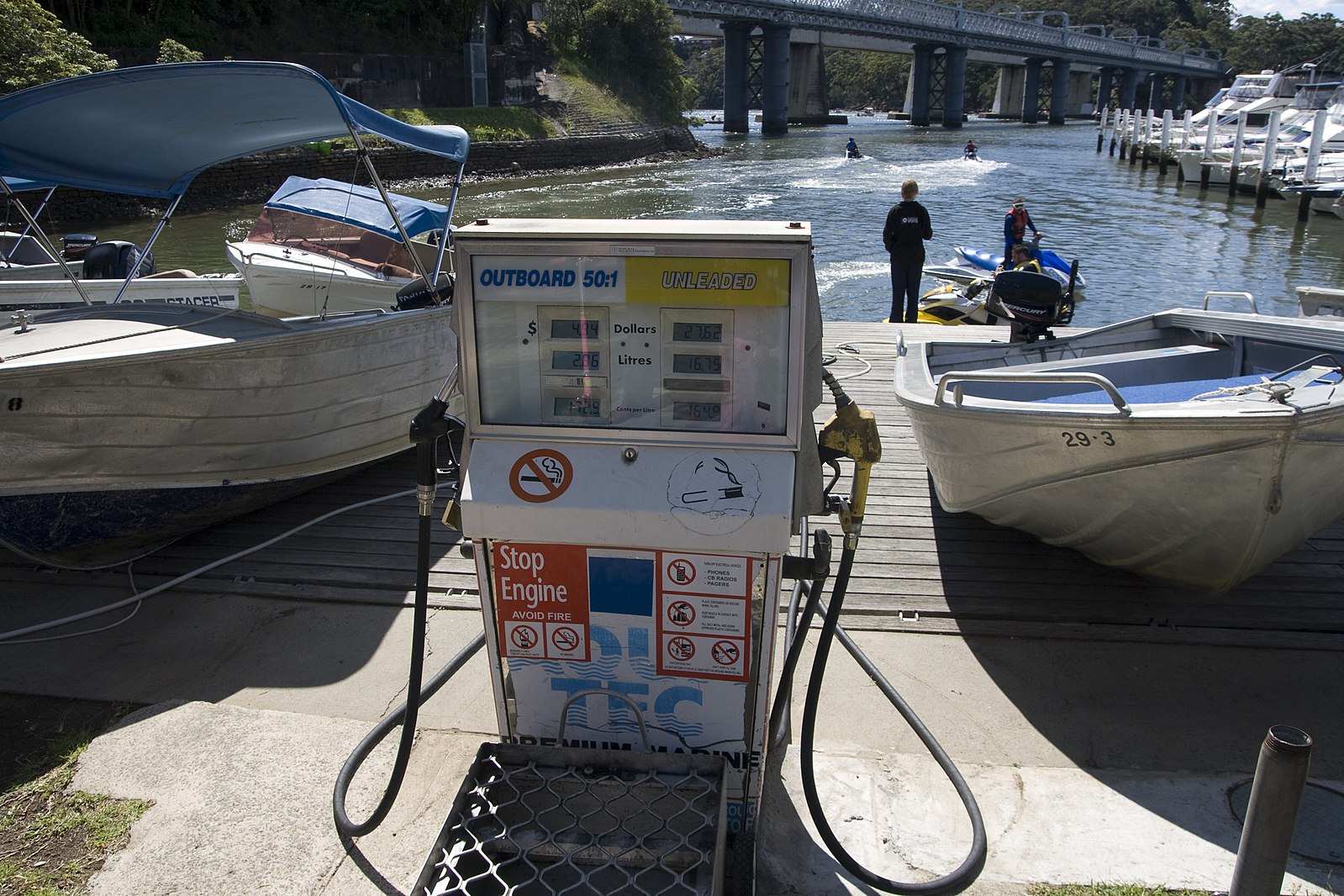
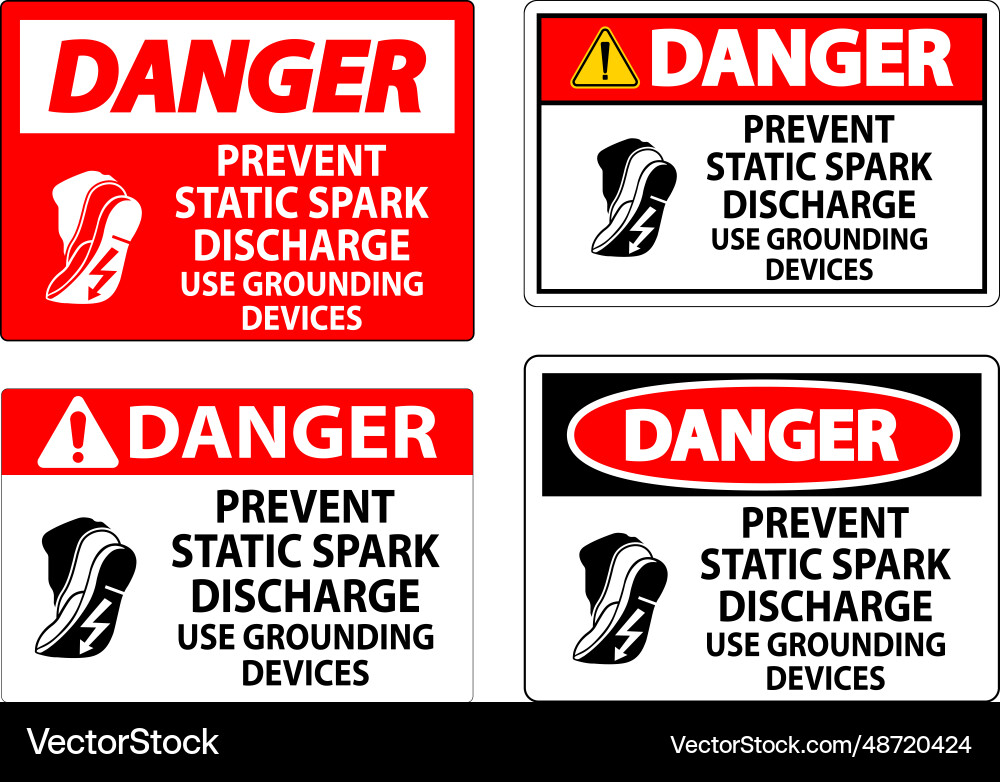
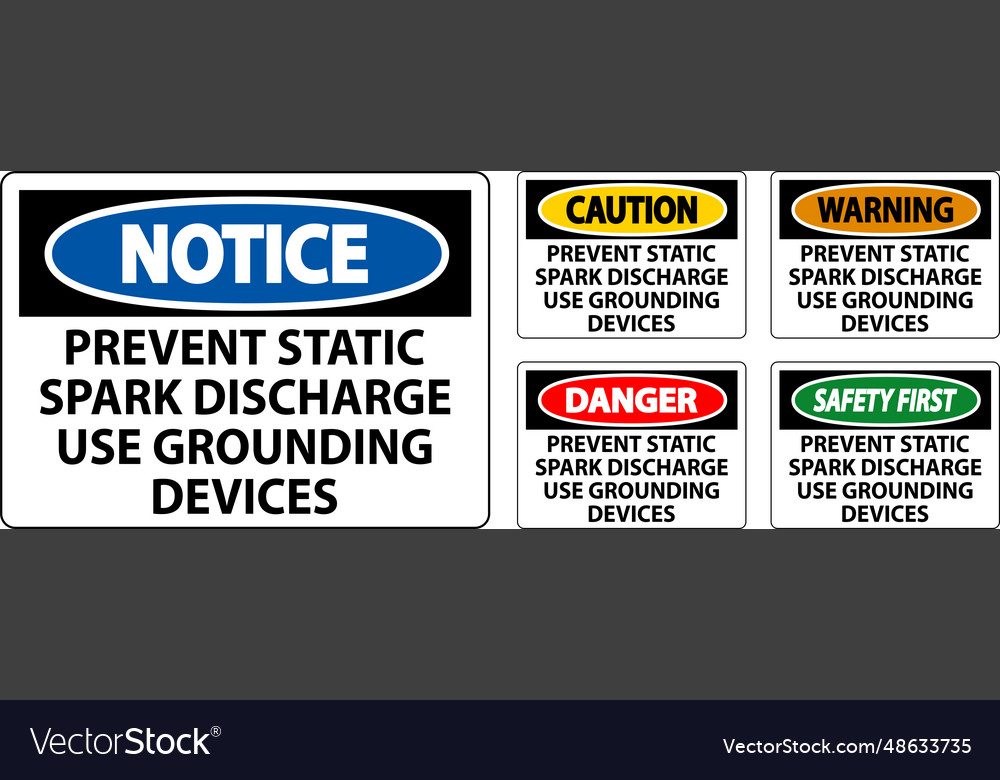
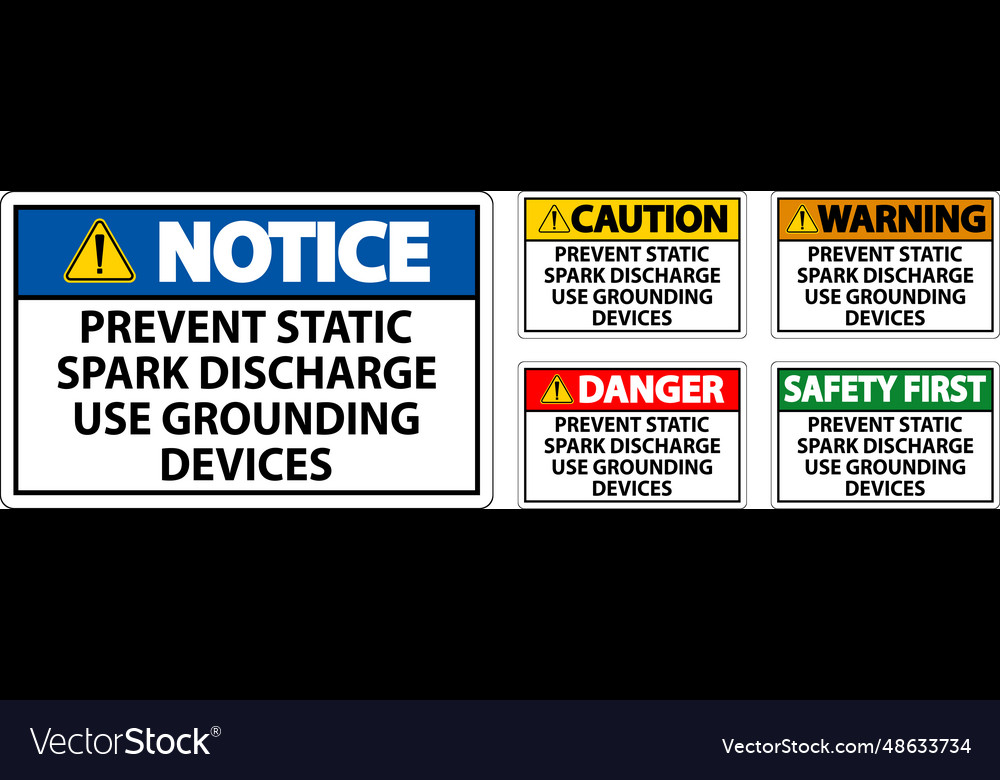
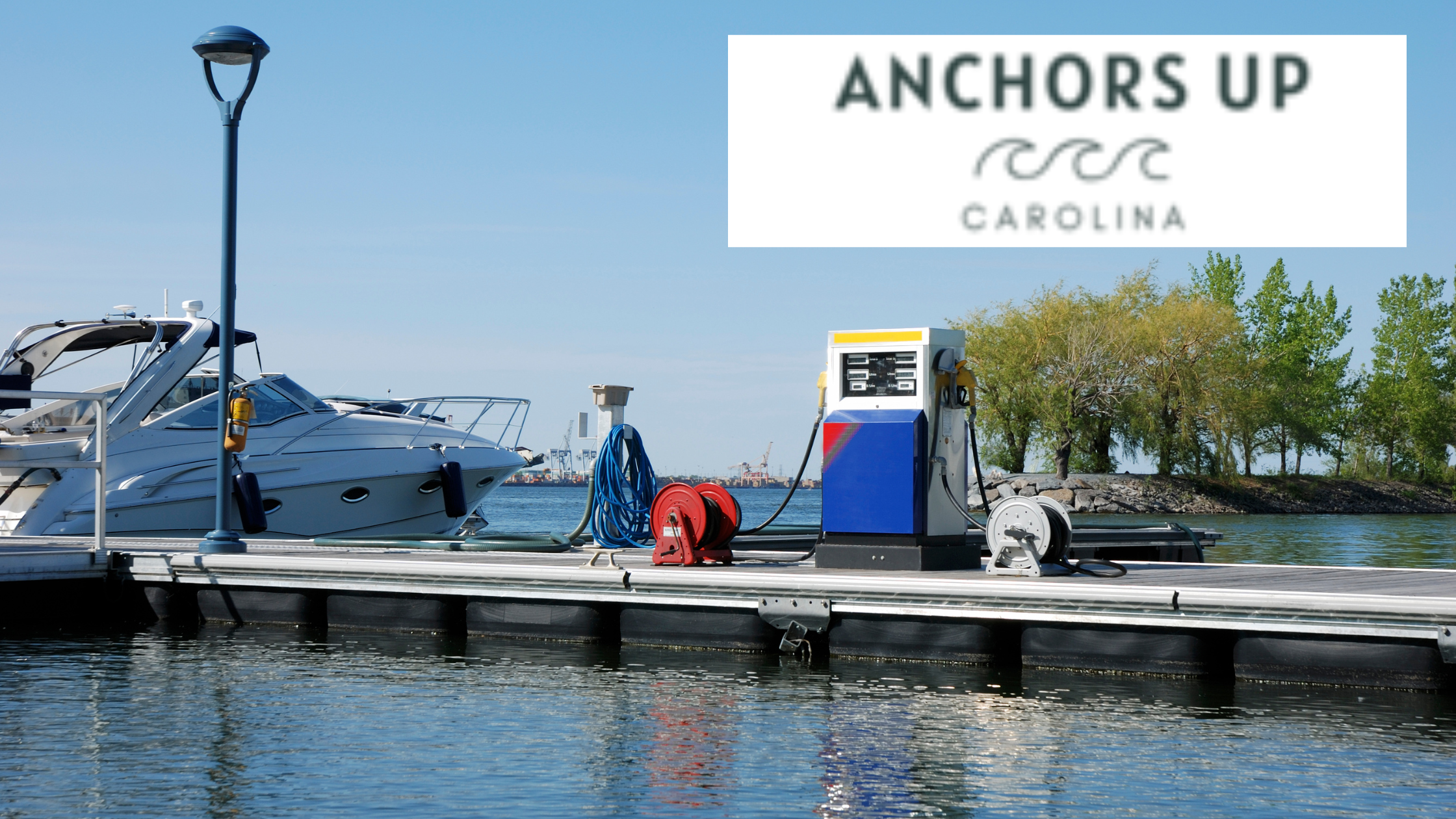
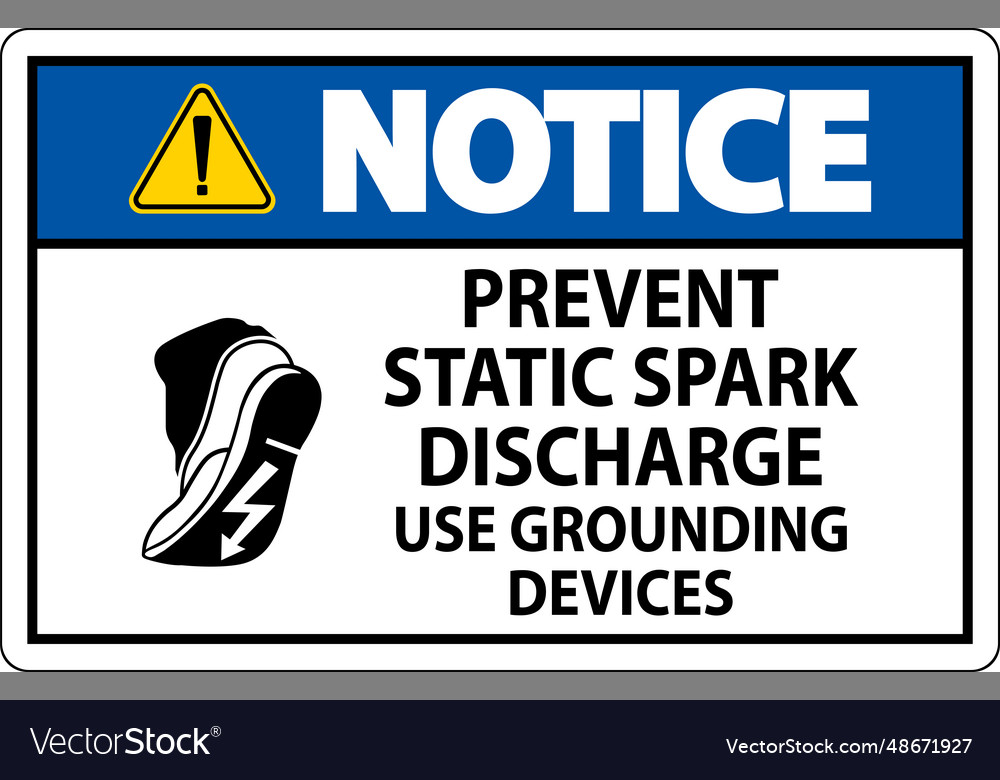
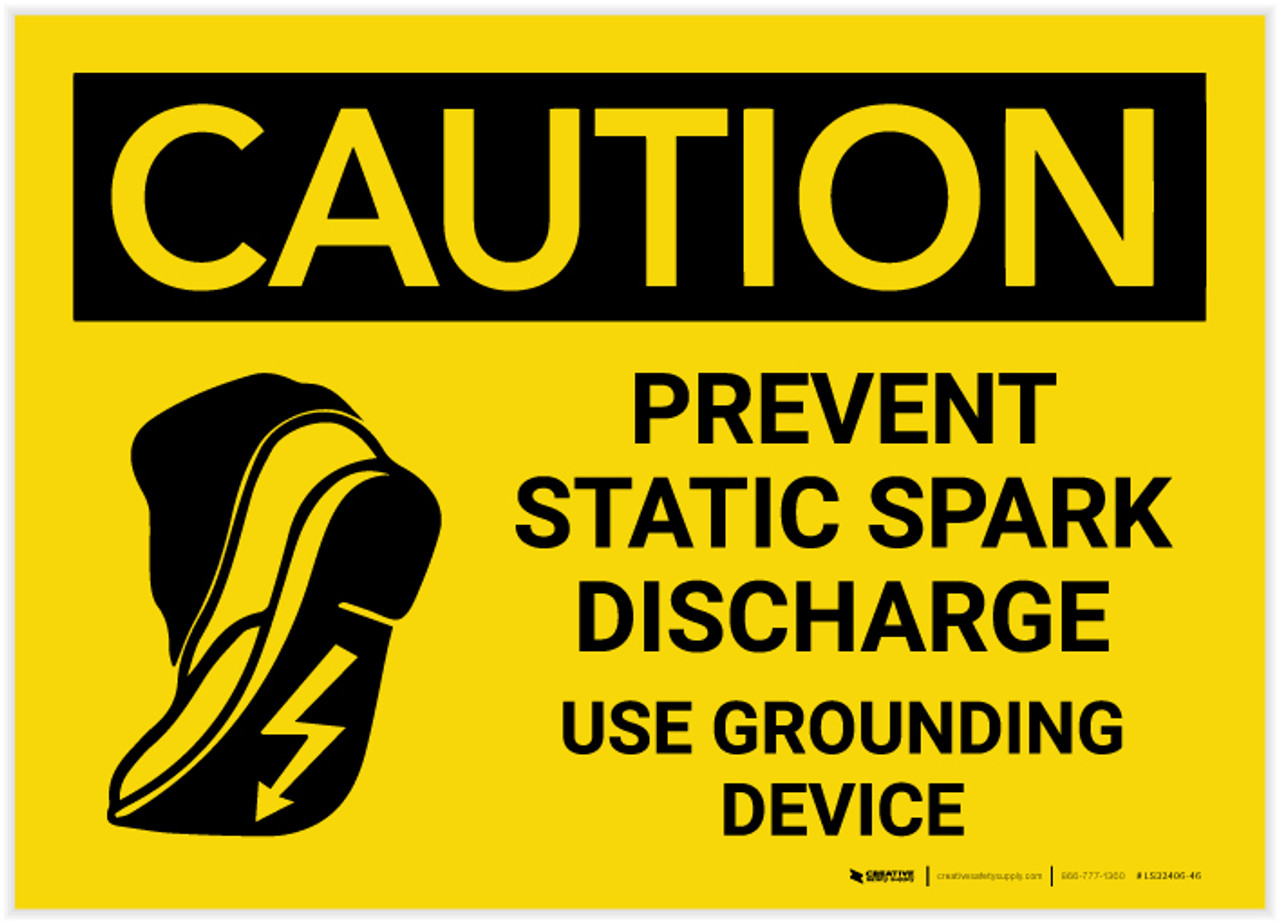
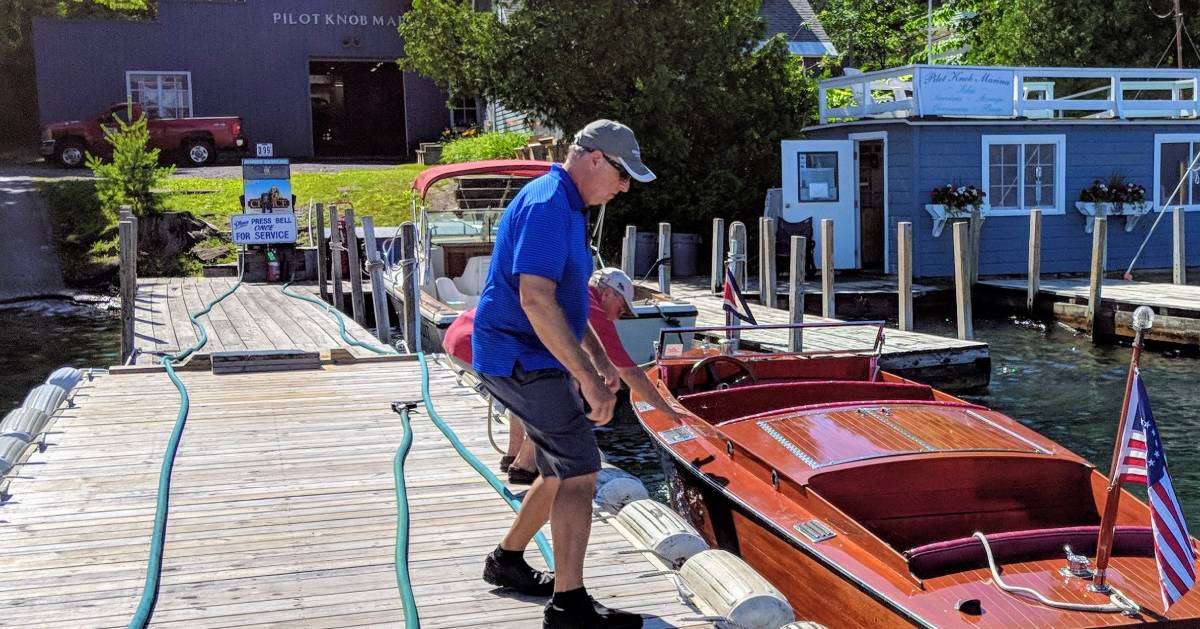
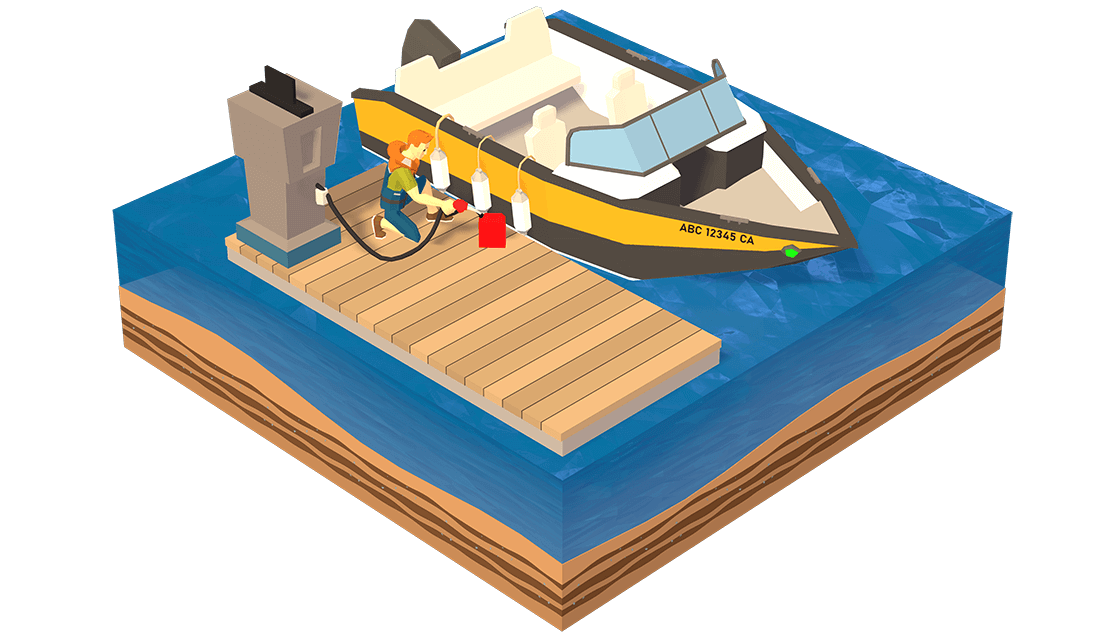
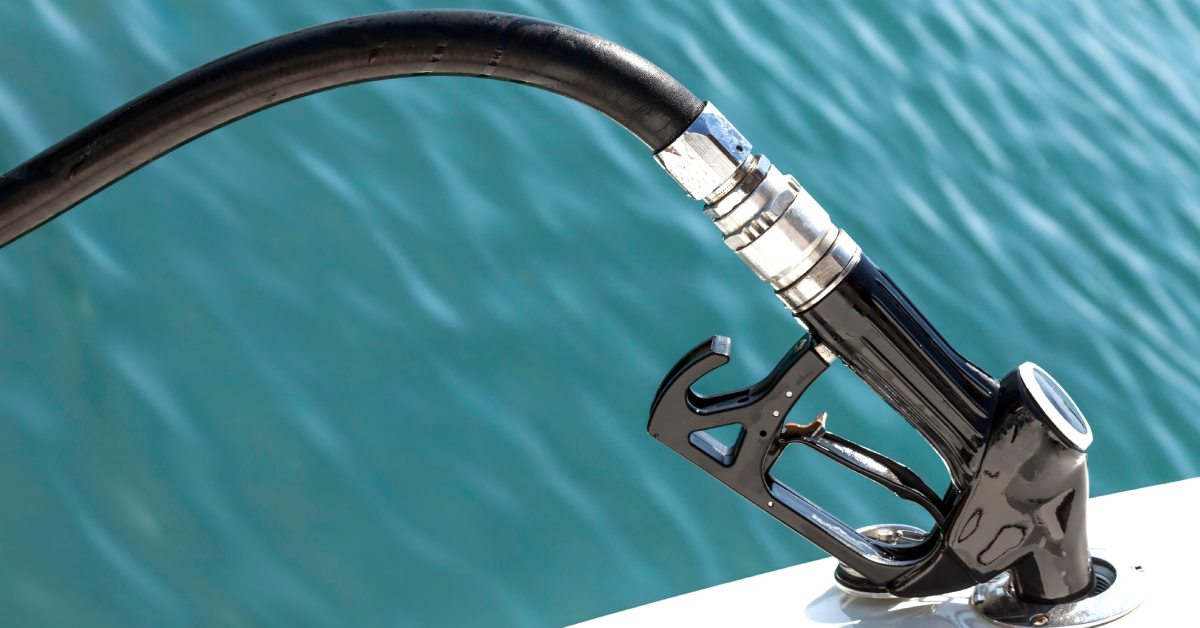
Close all compartments, ports, windows, and hatches. The idea is to keep fumes out of all spaces while fueling. Don't smoke. Keep the nozzle in contact with the fill to prevent static sparks. After fueling, make sure the gas tank cap is replaced, wipe up or wash off any excess or spilled fuel, open all hatches and ports, and let the boat air out.. No static: Keep the fuel nozzle in contact with the fuel deck fill to prevent static sparks (and don't confuse the fuel fill with a rod holder, water tank or holding tank fill, which happens more often than you think). Stay with your boat and don't use the "hands-free" clip.
Warning sign prevent static spark discharge use Vector ImageNotice Sign Prevent Static Spark Discharge, Use Grounding DevicesHow can you prevent static sparks while fueling your boat?Caution Prevent Static Spark printable pdf downloadHow can you prevent static sparks while fueling your boat?Don’t Refuel Your Boat Without Doing This CTow Marine AssistanceTop 10 common inboard boat engine problems. How to fix?Danger sign prevent static spark discharge use Vector ImageCaution sign prevent static spark discharge use Vector ImageCaution sign prevent static spark discharge use Vector ImageNotice sign prevent static spark discharge use Vector ImageWhat Should You Do Before Fueling Your Boat? 5 SafetyAfter Fueling Your Boat IN BoatCaution sign prevent static spark discharge use Vector ImageStatic Electricity On Board Tankers Moxie TrainingWarning sign prevent static spark discharge use Vector ImagePREVENT STATIC SPARK DISCHARGE USE GROUNDING DEVICES Warning NoticeNotice sign prevent static spark discharge use Vector ImageVertical Prevent Static Spark Discharge Sign ANSI Caution ESD /Caution Prevent Static Spark Discharge Use Grounding Devices WithCaution sign prevent static spark discharge use Vector ImageHow Can You Prevent Static Sparks While Fueling Your Boat?How Can You Prevent Static Sparks While Fueling Your Boat?Boat spark plugswhy you need to change them often. YouTubeBoat Refueling in Lake Top 10 Safety TipsFueling a boat safely Starting an inboard & outboard motorBoat Fueling Requirements and Safety Always shut the engine off.Boat Refueling in Lake Top 10 Safety TipsWho is responsible for avoiding a collision between boats? WhatHow to Replace Outboard Spark Plugs
While filling the fuel tank: Keep the nozzle of the fuel-pump hose in solid contact with the tank opening to prevent producing a static spark. Use caution and fill the tank slowly to avoid spilling fuel into the boat's bilge or into the water. Use an absorbent bilge cloth to catch drips or spills.. Attach the Nozzle: Before pumping, touch the nozzle to the fill pipe to discharge static electricity. Fill Slowly: Pump fuel slowly to prevent spills and reduce the risk of overflow. Monitor the fuel gauge and listen for changes in sound as the tank fills. Avoid Overfilling: Leave some space in the tank for fuel expansion, especially in hot.