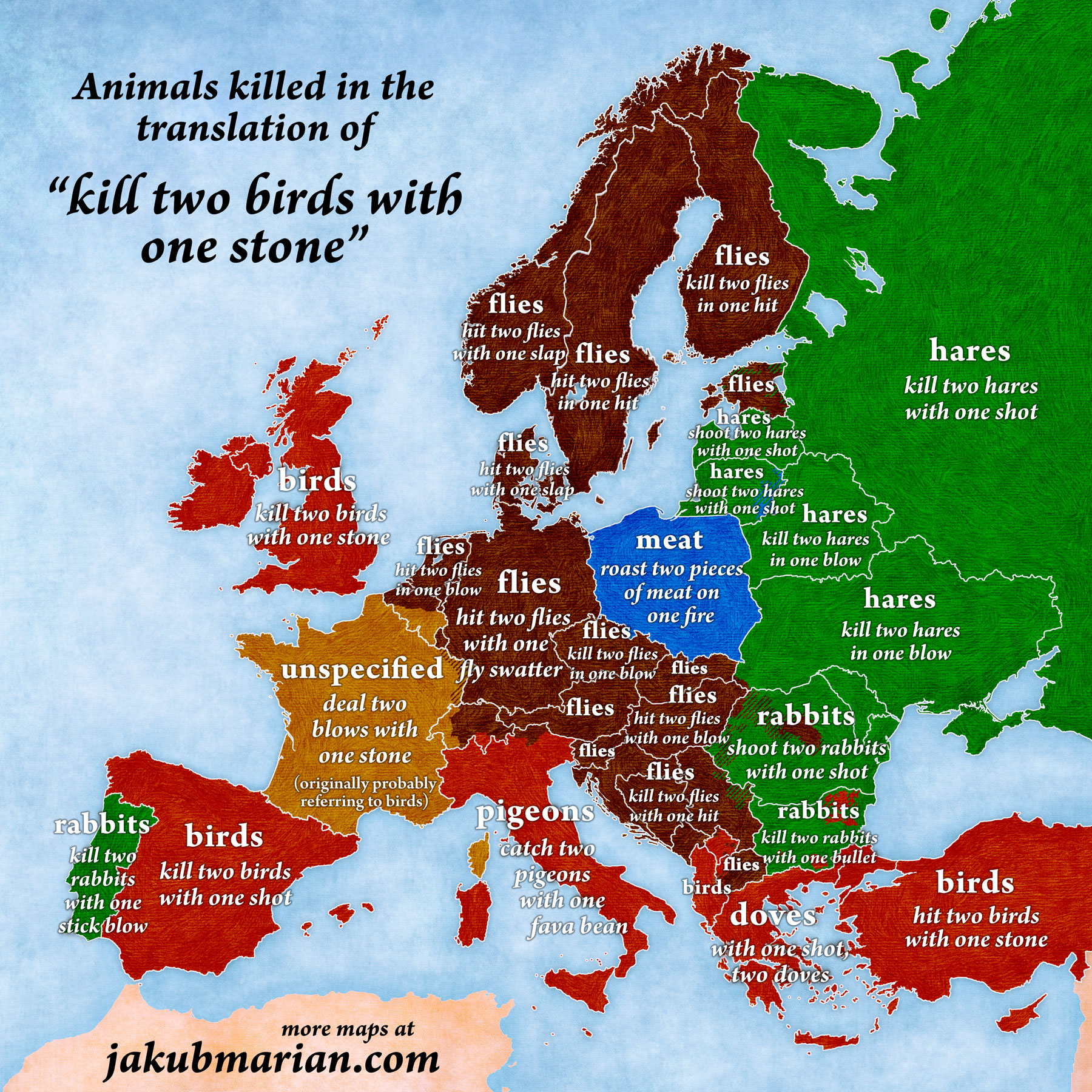
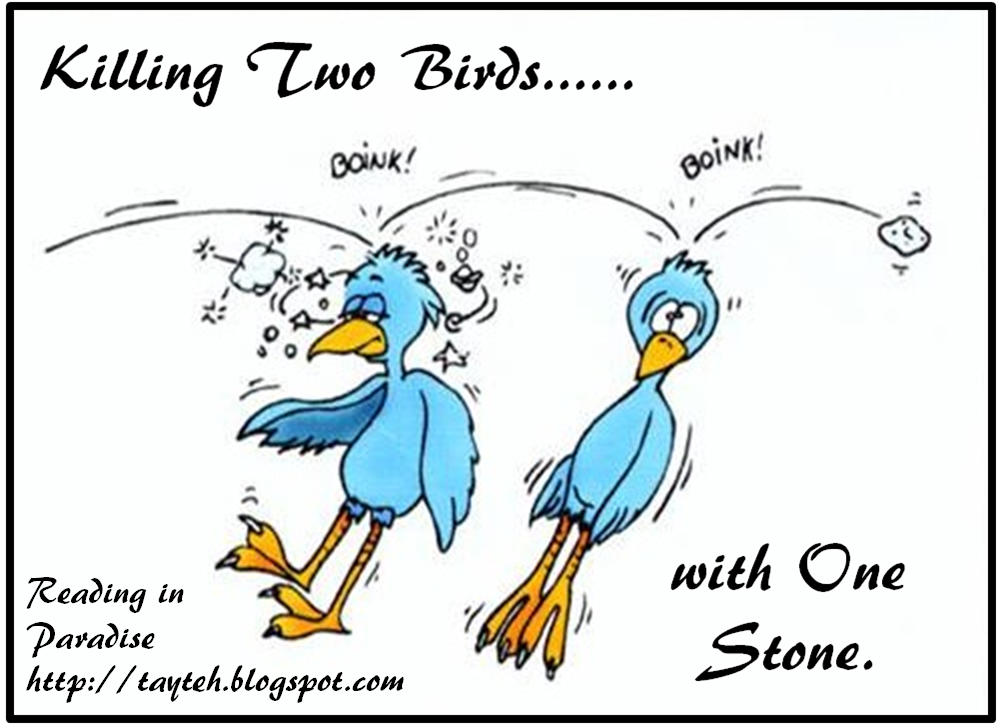
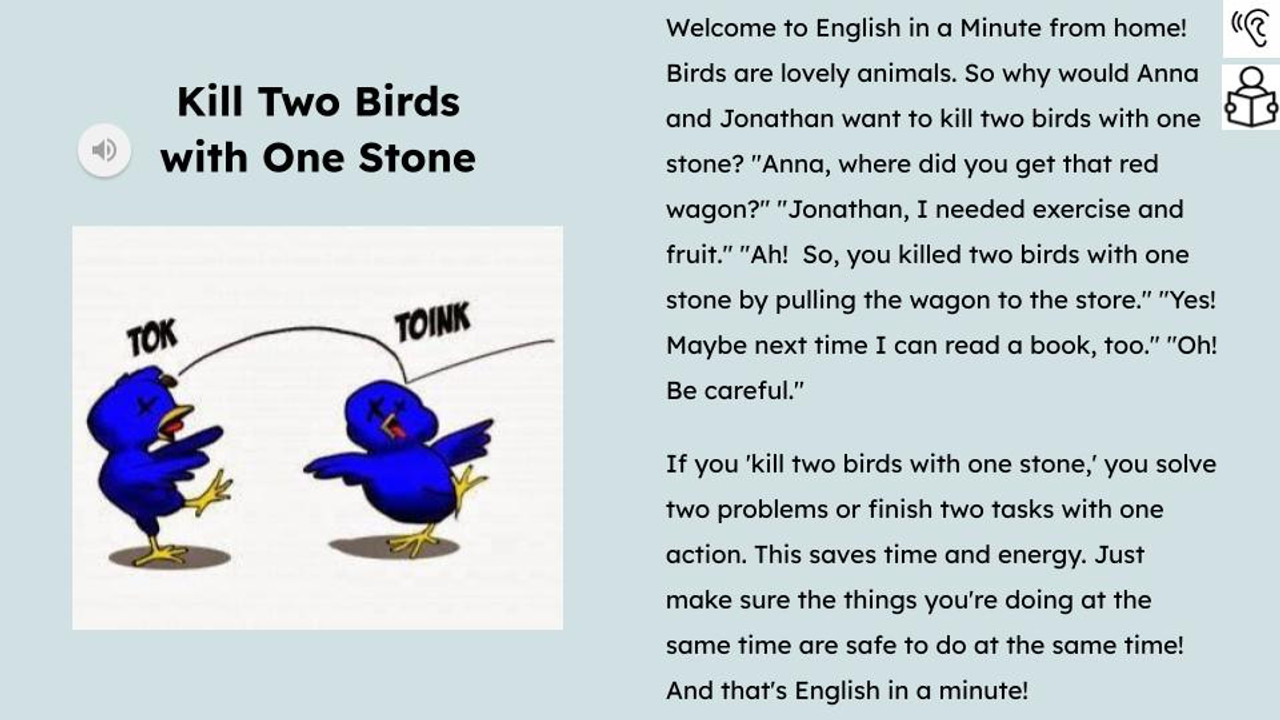
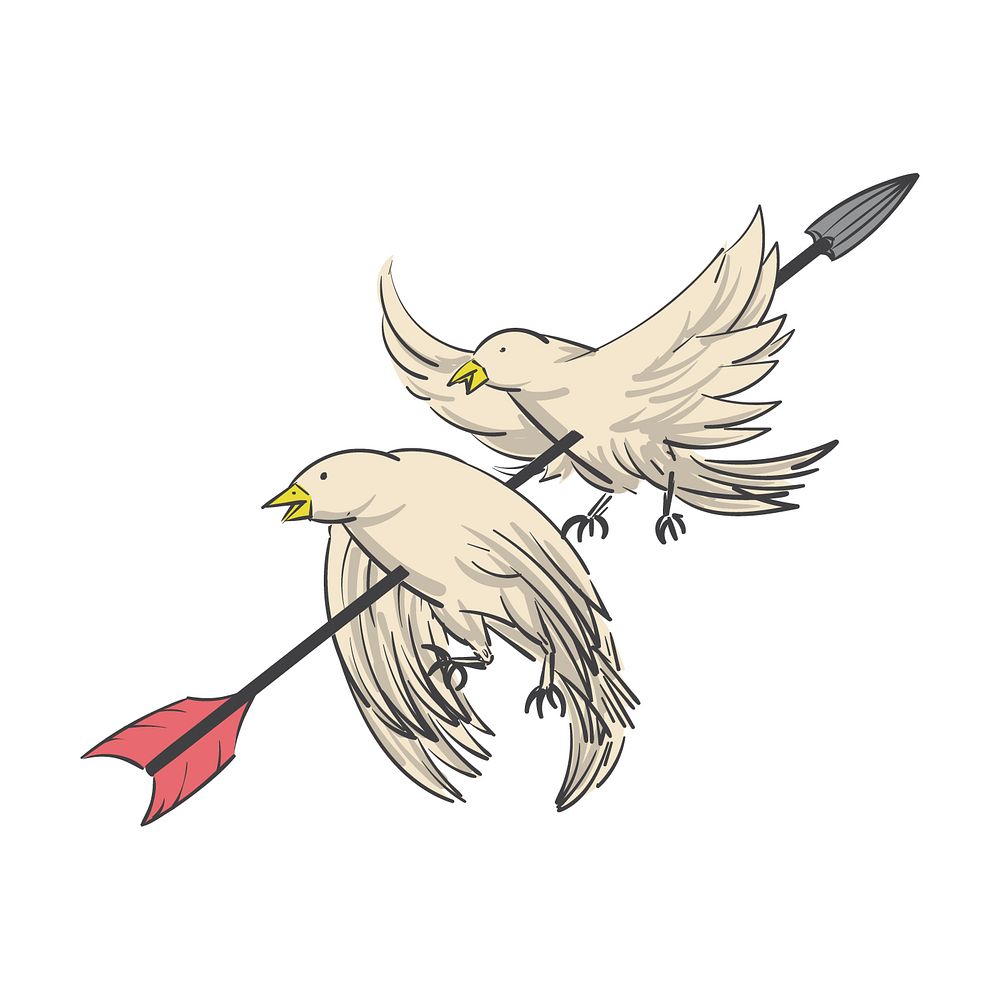
We call that "killing two birds with one stone"! 🐦🐦🪨 In this video, we reveal the straightforward and ancient origin of this incredibly popular and efficient English idiom.. Kill two birds with one stone Britain, 17th century. Found in the writings of Thomas Hobbes.
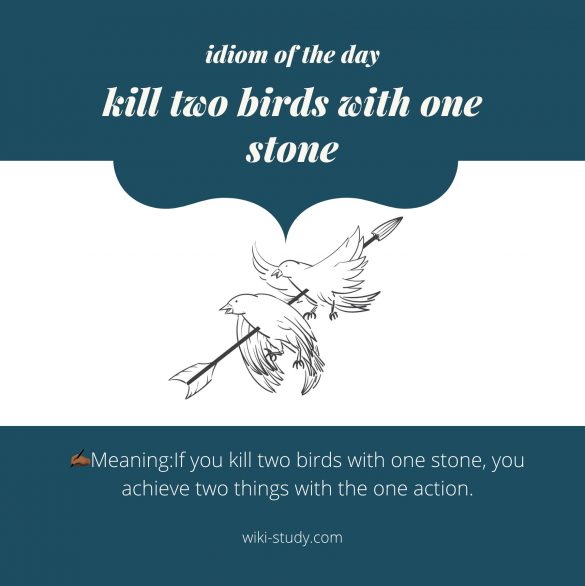
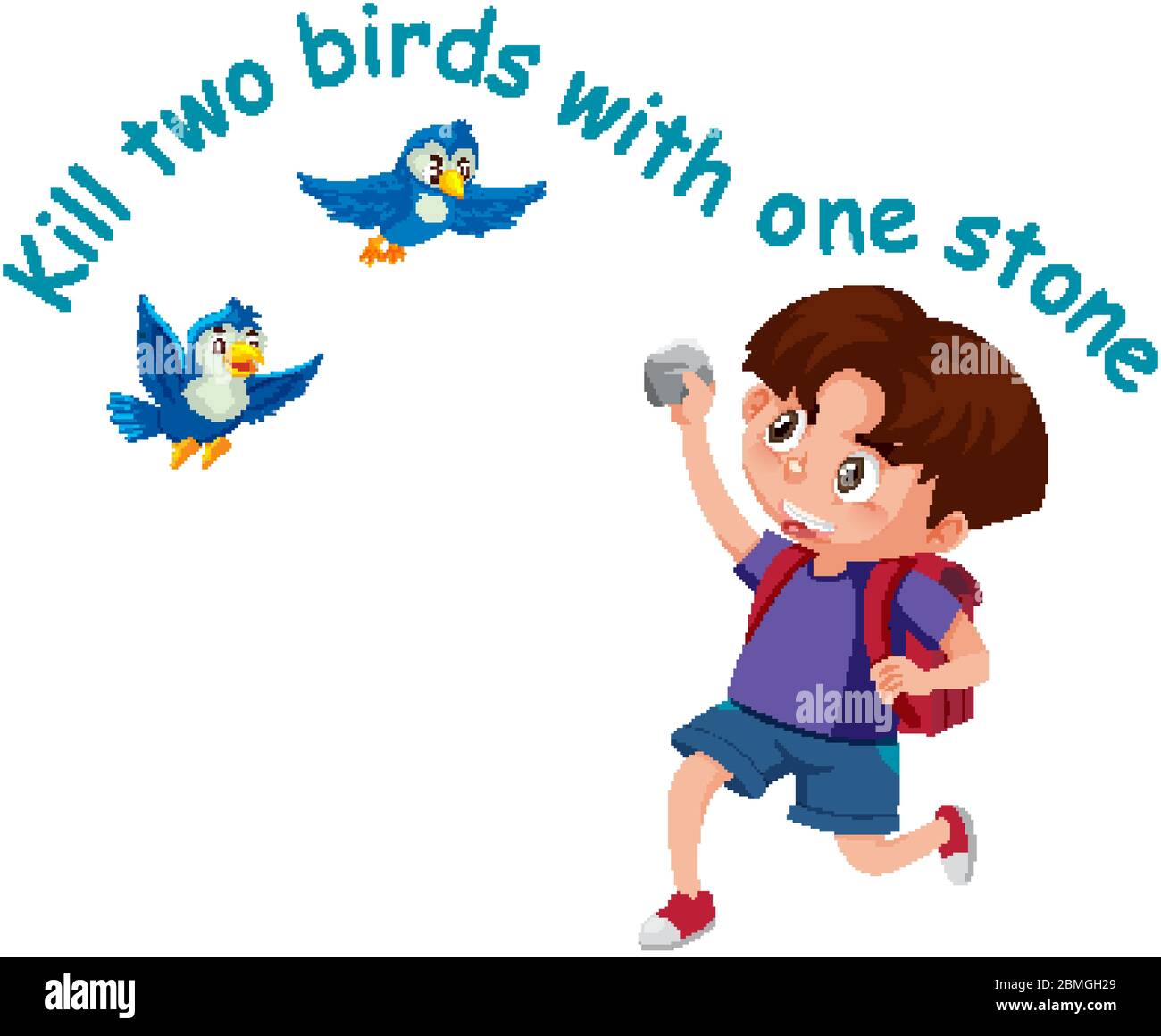
30 Other Ways to Say ‘Kill Two Birds with OneComedian Kill Two Birds With One Stone🔵 Kill Two Birds With One Stone Meaning Idioms KillIdiom of the day kill two birds with one stoneKill Two Birds With One Stone OriginKill Birds With One Stone Meaning FYNSRKill Two Birds With One Stone PDF30 Other Ways to Say ‘Kill Two Birds with OneKill Two Birds With One Stone OriginThe Efficient History of "Kill Two Birds with One Stone"kill two birds with one stone meaning, origin, example, sentence,Kill Two Birds With One Stone Stock Illustration Illustration ofIdiom of the day Kill two birds with one stone.Kill Two Birds With One Stone Origin'Kill two birds with one stone' meaning and origin Poemkill two birds with one stone Idiom Meaning and OriginKill Two Birds With One Stone Images Free Photos, PNGKilling Two Birds With One Stone Origin25 Other Ways to Say ‘Kill Two Birds with Onenapi angol angol kifejezések példamondatokkal kill two birds withKill Two Birds With One Stone OriginIdiom Poster with Kill Two Birds with One Stone Stock‘Kill Two Birds With One Stone’ Definition, Meaning and Examples'Kill two birds with one stone' meaning and origin PoemKill Two Birds with One Stone Multi Color Concept IconKill Two Birds With One Stone OriginHistory of idioms 'Kill Two Birds With One Stone' YouTubeKill two birds one stone Free Photo Illustration rawpixelKill Two Birds With One Stone Understanding This English IdiomTo Kill Two Birds with One Stone Idiom Meaning, Examples
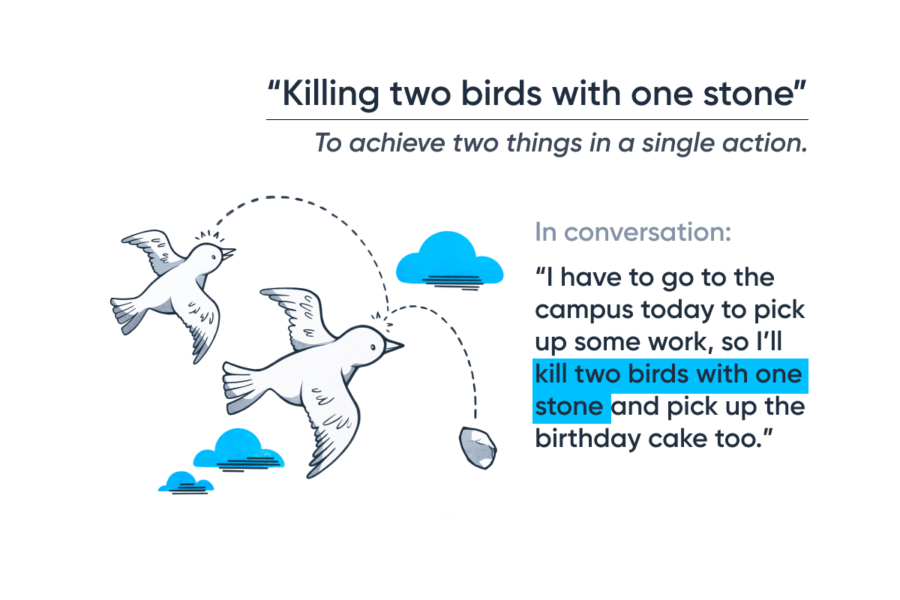
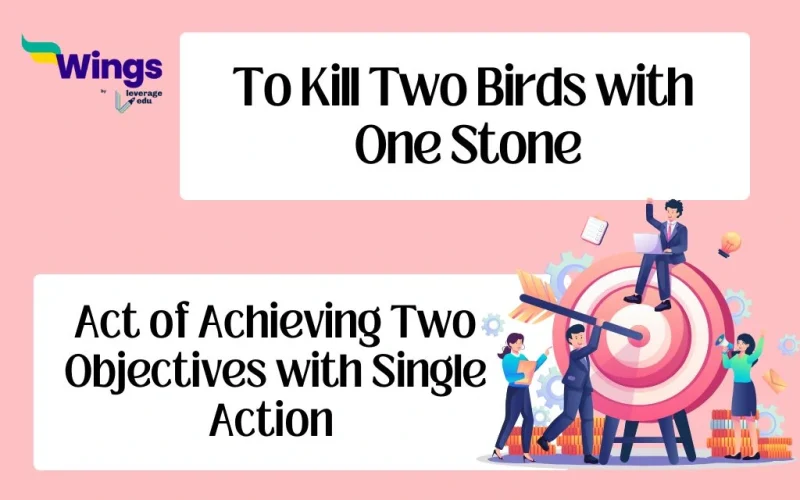
Meaning of "Kill two birds with one stone" "Kill two birds with one stone" is an interesting and unusual idiom that is used to refer to getting multiple things done at once.. Kill two birds with one stone Origin and History - Achieve two objectives with one strategy or action. Thomas Hobbes is certainly credited with one of the first appearances of the expression in English in 1656,.